
Good Girl Gone Bad
Play Good Girl Gone Bad
Good Girl Gone Bad Screenshots














Good Girl Gone Bad review
Explore branching storylines, character choices, and narrative depth in this adult visual novel
Good Girl Gone Bad is a complex adult visual novel that challenges traditional storytelling through branching narratives and meaningful player choices. Developed by Eva Kiss, this life simulation game follows the protagonist Ashley through a series of interconnected decisions that shape her character arc and determine multiple possible endings. The game stands out in the visual novel genre for its hand-crafted artwork, deep character development, and coherent story structure that rewards exploration and experimentation. Whether you’re interested in understanding the game’s mechanics, exploring different narrative paths, or discovering how your choices impact the overall story, this guide provides everything you need to know about this intricate interactive experience.
Understanding Good Girl Gone Bad: Game Overview and Core Mechanics
I still remember my first playthrough of Good Girl Gone Bad. I thought I was just making a few cheeky choices here and there, a little rebellion against Ashley’s prim and proper life. Fast forward a few in-game weeks, and my Ashley was in a situation so wildly different from my friend’s save file that we could barely recognize it as the same story. 😳 That’s the magic trick this game pulls off. It’s not just a visual novel; it’s a personal laboratory for storytelling where you, the player, are the lead chemist.
This Good Girl Gone Bad visual novel stands out in a crowded genre by offering an intoxicating blend of freedom and consequence. At its core, it’s a life simulation game wrapped in a provocative narrative, where every single decision—from what you wear to who you text—ripples out to shape your world. Forget linear plots; here, you’re the author of Ashley’s fall from grace, her triumphant redemption, or anything in between.
What Makes This Visual Novel Unique in the Genre 🎨
Let’s be honest: the adult visual novel space is vast. What makes Good Girl Gone Bad a standout title that players keep returning to? It’s the powerful combination of three key ingredients: authentic hand-crafted art, a deeply relatable protagonist, and a narrative engine that treats your choices with deadly seriousness.
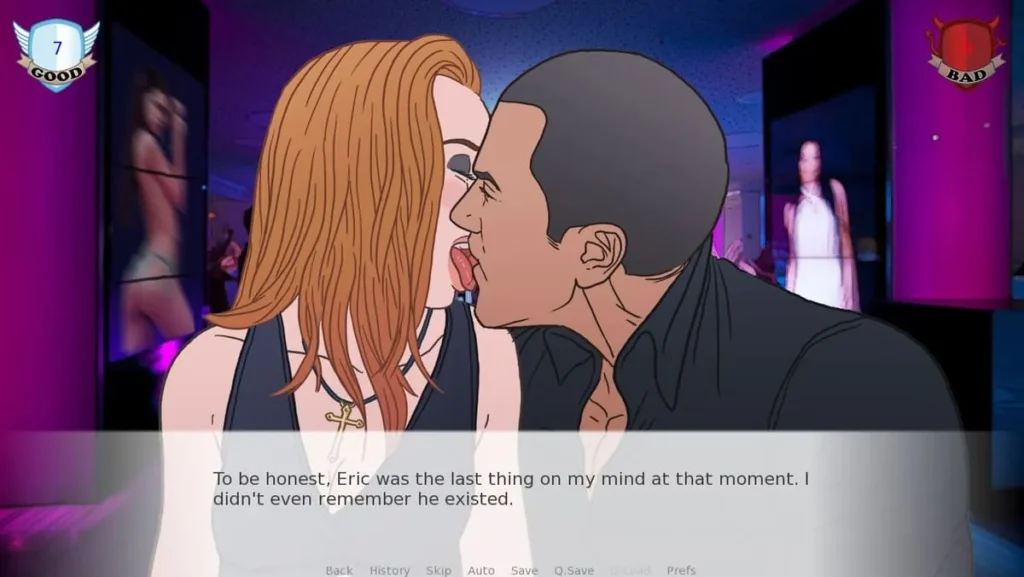
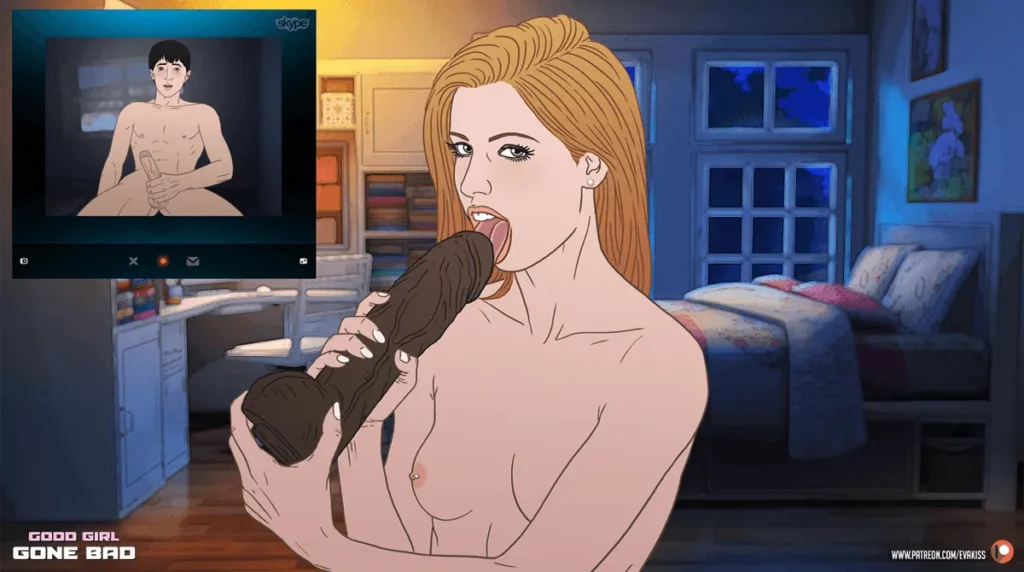
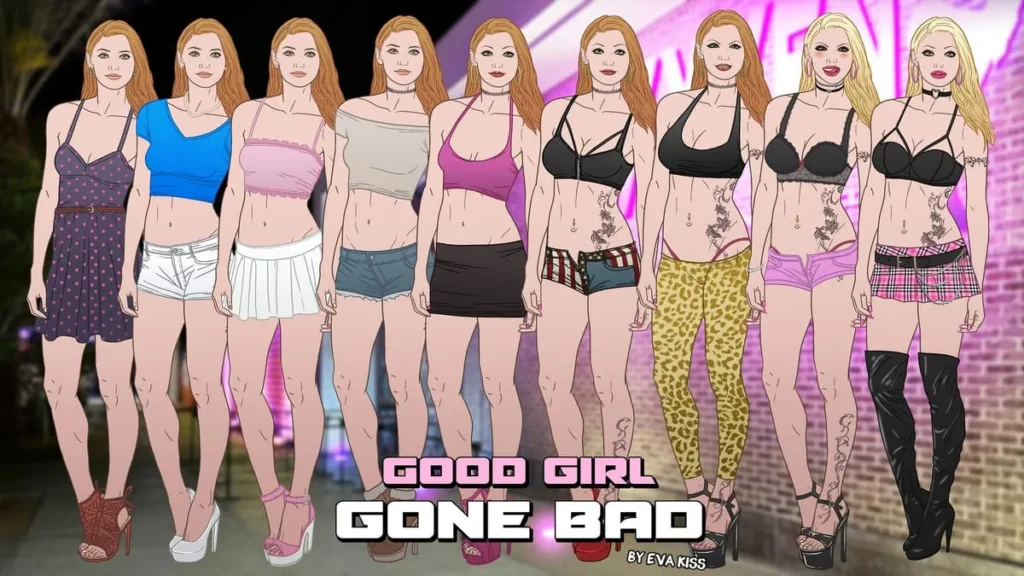
First, the aesthetic. Unlike many games that rely on repetitive assets or generic anime styles, this game features distinctive, hand-drawn artwork. Every character has a unique look and feel, from Ashley’s expressive journey from innocence to experience, to the diverse cast of characters she meets. The environments feel lived-in, and the art style perfectly complements the story’s tone—it can be sweet, sexy, gritty, or heartbreaking, often within the same scene. This visual commitment pulls you into the world and makes every scene unlock feel like a tangible reward.
Second, we have Ashley herself. She isn’t a blank slate or a predefined “bad girl.” She starts as someone many of us can understand: a young woman feeling the constraints of her life, curious about the world beyond her boundaries. Her initial “good girl” persona is layered with subtle frustration and curiosity, making her transformation (or lack thereof) feel organic. This grounding makes the interactive storytelling profoundly personal. You’re not guiding an archetype; you’re navigating the complex desires and dilemmas of a believable person.
Finally, and most importantly, is the game’s structural genius. It masterfully blends player choice mechanics with a life simulation game framework. Your time is divided between weekly planning (choosing where to work, study, or hang out) and real-time interactions. This structure means your decisions aren’t just narrative forks; they’re investments of time and energy. Choosing to study for an exam means skipping a party where a crucial relationship could have developed. This daily-choice layer adds a weight and realism to the branching narrative game that few others achieve. It’s not just about what you choose, but when you choose it and what you sacrifice for it.
Pro Tip: Don’t try to see everything in one go. Part of the beauty of the Good Girl Gone Bad gameplay is that your choices naturally close off paths. Embrace your unique story—the FOMO is real, but it’s what makes each playthrough your own.
How Player Choices Shape Your Story Path 🔀
This is where the rubber meets the road. The player choice mechanics in Good Girl Gone Bad are deceptively simple on the surface but create astonishing depth underneath. The game doesn’t just track a simple “good vs. evil” meter. Instead, your actions build invisible points across multiple hidden conditions like Good, Bad, Romantic, Slutty, Submissive, Dominant, and character-specific affections.
Think of these conditions as the soil from which different story branches grow. A certain scene might require you to have at least 5 “Bad” points and have visited the club twice. Another might need a high “Romantic” score with a specific character. The game is constantly checking these behind-the-scenes tallies, unlocking or locking doors you may not even know existed.
Here’s a practical example from my own messy playthrough: The Library Incident.
- Early Choice (Week 2): I had Ashley agree to help the shy classmate, Eva, with her studies in the library. This seemed like a simple, kind “Good” choice.
- The Cascade: That single “Yes” initiated a whole relationship thread. Later, I had the option to be patient with Eva or mock her gently. I chose patience, building a “Romantic” score with her.
- Unlocked Content (Weeks Later): Because I had built up enough “Romantic” points with Eva and had a middling “Bad” score from other rebellious acts, a unique scene unlocked where a more confident Eva invited my Ashley on a secret, romantic date. This date then led to a branching option that affected Ashley’s relationship with her boyfriend.
- The Alternative Path: My friend, who brushed Eva off initially, never even saw Eva again after Week 2. Her storyline completely vanished. In her game, that library was just a quiet place to study; in mine, it was the catalyst for a tender subplot.
This is the essence of a true branching narrative game. Early, seemingly minor decisions plant seeds that blossom into major plotlines hours later. The Good Girl Gone Bad gameplay is all about these cascading consequences. You might lock yourself out of a corporate career path by insulting a boss early on, or find yourself entangled with a character you barely noticed because you chose to work at a specific location.
The game’s brilliance is that all these paths feel coherent. Whether Ashley becomes a corporate climber, a free-spirited artist, a submissive partner, or a dominant force, the story justifies her journey based on your choices. It’s this commitment to interactive storytelling that makes replayability not just an option, but a compulsion.
Character Development and Relationship Systems ❤️🔥
Ashley’s journey doesn’t happen in a vacuum. It’s catalyzed by the fascinating web of characters around her. The character relationship system here is less of a “point-and-click” romance selector and more of a dynamic social ecosystem. Every major character has their own motivations, secrets, and evolving perspectives on Ashley, which change directly based on how you treat them.
You have her long-term boyfriend, Chris, who represents stability but also potential stagnation. There’s the wealthy and enigmatic Ruth, who offers a world of luxury and manipulation. The rebellious BFF, Victoria, who pushes Ashley toward hedonistic freedom. Plus a whole roster of friends, rivals, love interests, and authority figures, each with their own complete story arcs that can be explored, ignored, or derailed.
How you interact with them—through dialogue choices, activities, and text messages—builds their individual affection meters and shifts Ashley’s own personality conditions. Telling Chris the truth builds “Good” and “Romantic” points with him, while lying and cheating builds “Bad” and “Slutty” points, potentially opening a path for other relationships to flourish. The system is constantly interweaving your stats with their affections.
For instance, pursuing a “Dominant” path might attract certain characters who are drawn to that strength, while repelling others. This turns the social gameplay into a delicate, thrilling balancing act. You’re not just collecting love interests; you’re navigating the human cost of Ashley’s evolution.
To show how intricate this web is, let’s look at how early interactions can set you on wildly different relationship paths:
| Character | Early “Positive” Path Choice | Early “Rebellious” Path Choice | Potential Long-Term Story Outcome |
|---|---|---|---|
| Chris (Boyfriend) | Defend him to friends, choose romantic dates. | Flirt with others in front of him, dismiss his concerns. | A stable, potentially lifelong partnership with traditional milestones. |
| Ruth (Wealthy Acquaintance) | Accept her mentorship, dress conservatively around her. | Challenge her authority, engage in daring dares. | Unlocks a path of high-society power and corporate manipulation. |
| Victoria (Best Friend) | Reject her wilder plans, focus on studies. | Embrace every party and rule-breaking idea she has. | Can lead to a deep, chaotic friendship or a romantic fling centered on hedonism. |
| Mr. Lewis (Professor) | Remain strictly professional, ace assignments. | Engage in flirtatious banter, visit his office hours with suggestive attire. | Opens a risky, taboo storyline with major academic and social consequences. |
This table barely scratches the surface! 😅 The real magic is in the combinations. What happens if you try to maintain a “Good” relationship with Chris while secretly building a “Slutty” reputation with others? The game tracks these contradictions, leading to dramatic confrontations, heartbreaking breakups, or astonishingly complex arrangements. The character relationship system ensures that no connection is static; each is a story in itself, waiting for your input.
Ultimately, Good Girl Gone Bad is more than a game. It’s a narrative playground that respects your intelligence and your agency. It proves that the most compelling interactive storytelling comes not from spectacular set pieces, but from the quiet, cumulative power of choice. Every “yes,” every “no,” every hesitant maybe writes a sentence in Ashley’s story. Whether you guide her toward corruption, purity, or a messy, realistic blend of both, you’ll walk away with a tale that feels uniquely—and authentically—yours. The journey of this Good Girl Gone Bad visual novel is one of the richest experiences in the genre, an invitation to explore not just a story, but the very mechanics of desire and consequence.
Good Girl Gone Bad represents a sophisticated approach to interactive storytelling, combining hand-crafted visuals with meaningful narrative choices that genuinely impact your experience. The game’s strength lies in its commitment to player freedom while maintaining a coherent, well-structured story that rewards exploration and experimentation. Whether you’re drawn to the relationship dynamics, the branching storylines, or the challenge of discovering all possible outcomes, this visual novel offers substantial replay value and depth. Understanding the mechanics of choice consequences, condition requirements, and character development systems allows you to fully appreciate the complexity of the narrative design. As you progress through Ashley’s journey, you’ll discover that every decision matters, creating a personalized story that reflects your playstyle and preferences. Take time to explore different paths, experiment with various character interactions, and embrace the multiple endings the game offers—each playthrough reveals new layers to the narrative and character development.