Inner Growth
Play Inner Growth
Inner Growth Screenshots





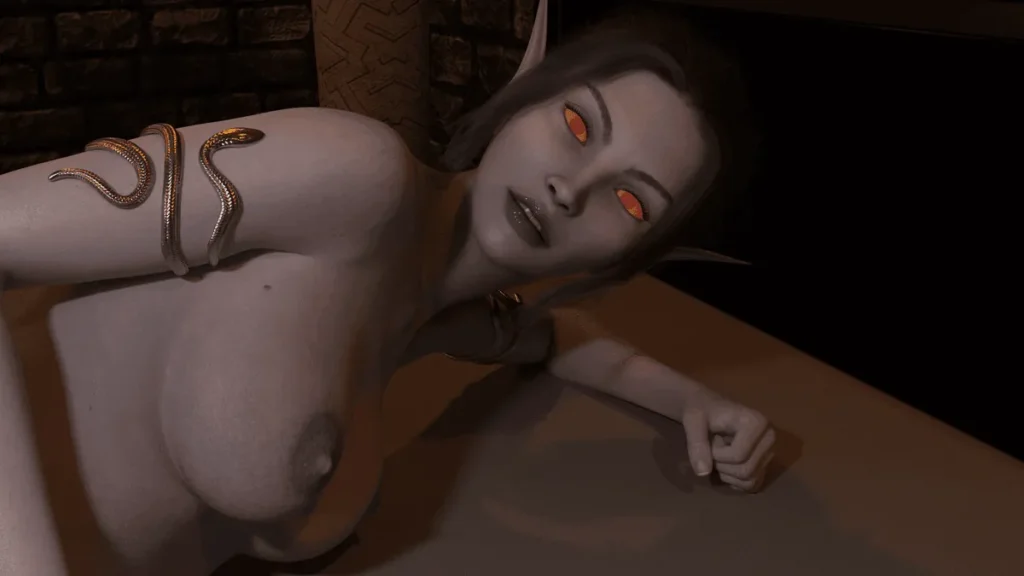
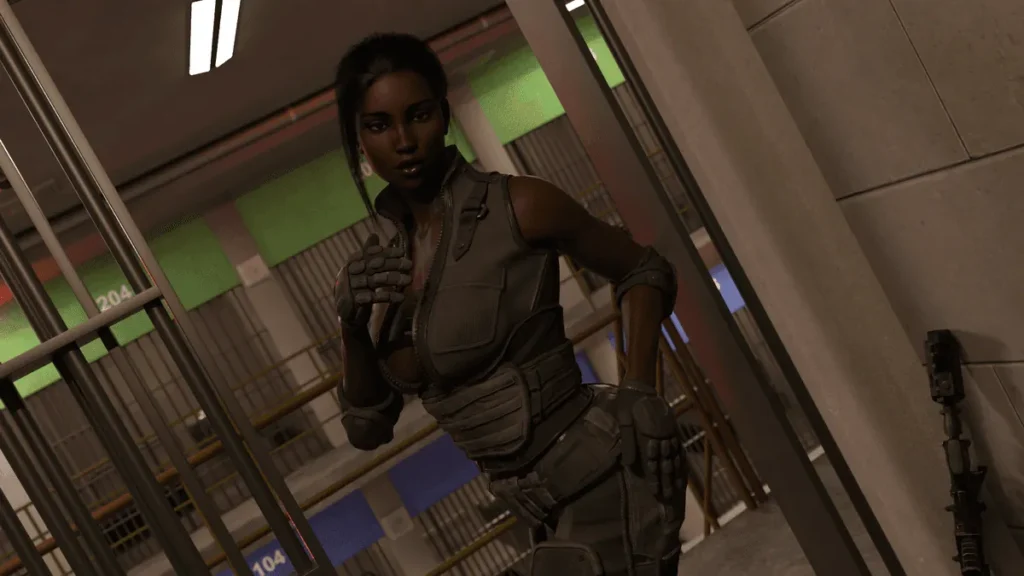






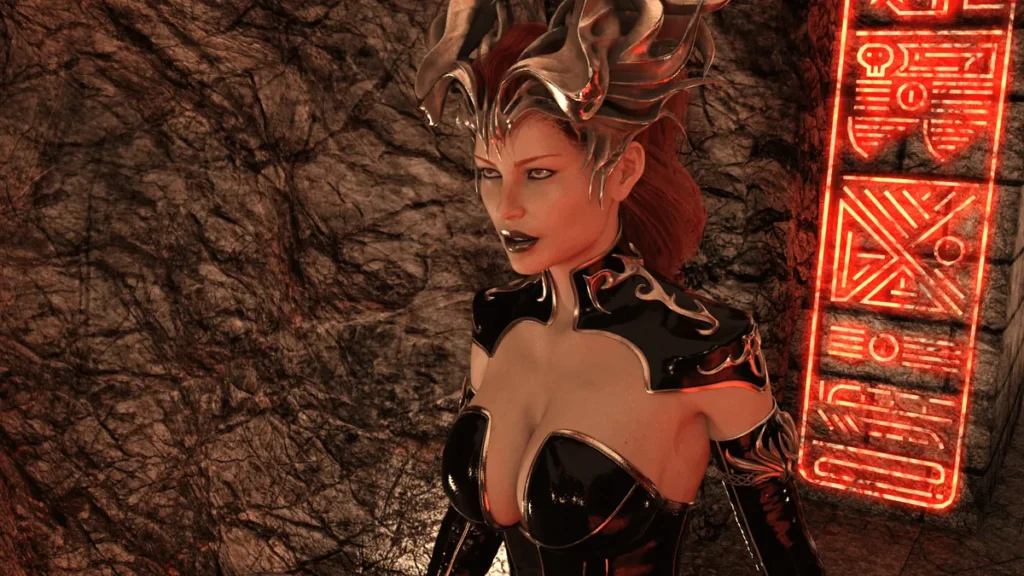
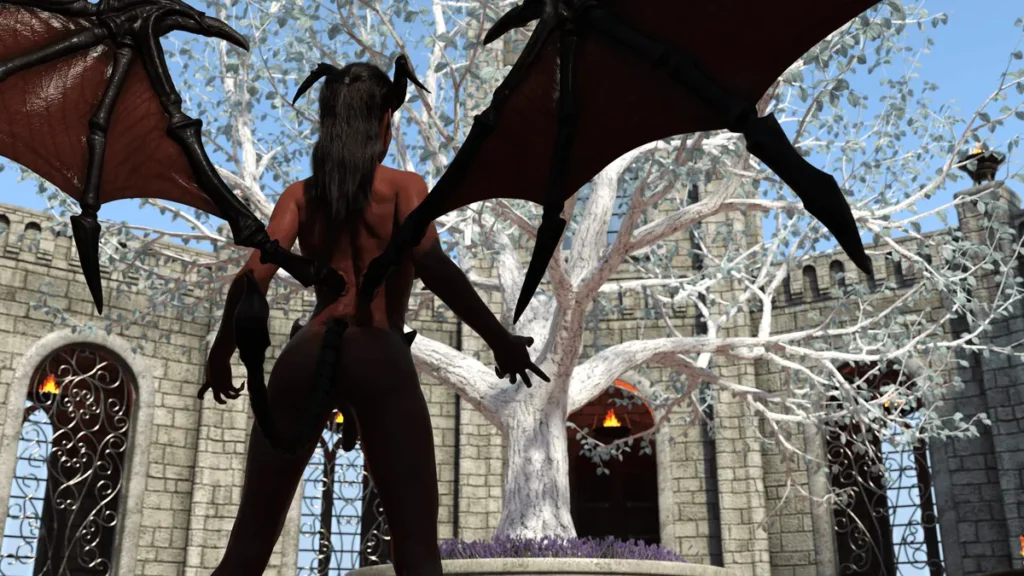

Inner Growth review
Explore the decision-driven narrative experience that blends fantasy storytelling with meaningful character development
Inner Growth stands out as a narrative-driven experience that challenges players to navigate complex decision-making within a richly developed fantasy world. Developed by Morally Purple, this game centers on Thalna, a protagonist forced to transition from the underworld to the human realm, where every choice carries significant consequences. Unlike traditional games that treat decisions as mere checkpoints, Inner Growth integrates meaningful choices into its core mechanics, allowing players to shape relationships, character development, and multiple story outcomes. Whether you’re interested in understanding the game’s intricate plot, exploring its character dynamics, or learning how your decisions influence the narrative, this guide provides everything you need to know about this compelling experience.
Understanding Inner Growth: Premise, Setting & Protagonist
Ever booted up a game expecting one kind of adventure and ended up on a journey that felt startlingly, almost uncomfortably, real? 😲 That was my exact experience with Inner Growth. I thought I was diving into a fantasy romp, but what I found was a mirror held up to my own choices, fears, and desires. At the heart of this experience is a story and a protagonist that refuse to fit into simple boxes.
This guide is your map to that world. We’re going deep into the foundations: who you become in this game, where your journey unfolds, and how the very structure of the tale makes every decision pulse with consequence. Forget passive storytelling; here, you are the author. ✍️
Who is Thalna and Her Journey Between Worlds
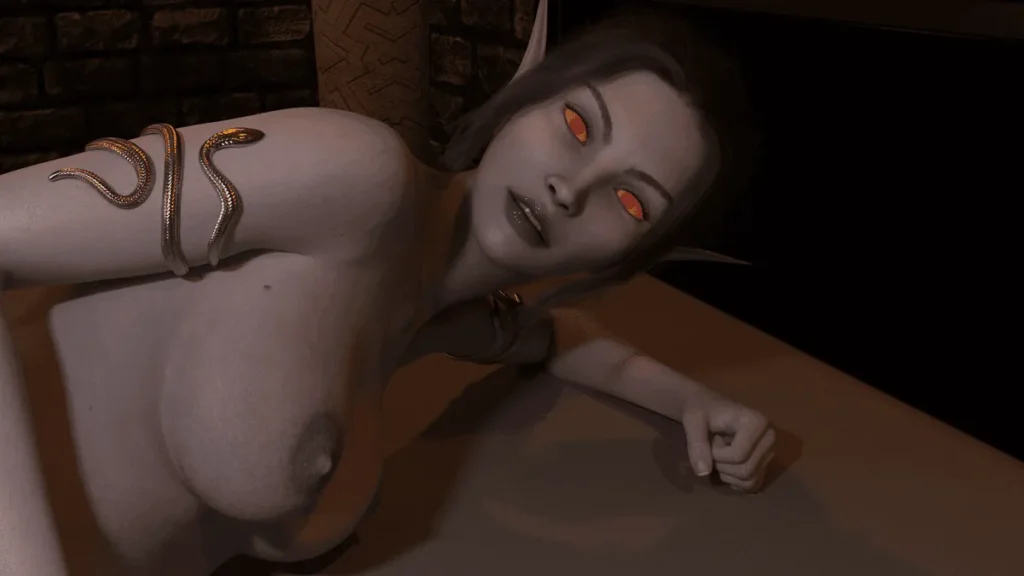
Let’s cut to the chase: the Inner Growth game protagonist is not your typical hero. You don’t play as a chosen farmhand or a blank-slate adventurer. You step into the elegantly pointed shoes of Thalna, character underworld princess. And this isn’t just a fancy title; it’s the core of your identity crisis and the engine for the entire narrative.
Thalna is a princess of the Umbral Court, a being of inherent power and dark majesty born to rule a realm of shadows and ancient magic. Her life was one of predictable, gothic order—until it wasn’t. Thrown violently into our mundane human world, stripped of her station and a significant portion of her innate power, she is the ultimate fish out of water. But imagine that fish is also a shark, suddenly forced to navigate a goldfish bowl. 🦈➡️🐠
What makes Thalna, character underworld princess, so compelling is her duality. She is proud yet vulnerable, powerful yet powerless, ancient in spirit yet newborn to human social intricacies. Her journey is one of brutal adaptation. Every interaction—from bargaining for a place to sleep to navigating complex social hierarchies—is filtered through the lens of a displaced royal. Is she commanding or pleading? Manipulating or genuinely connecting? Your choices define not just what she does, but who she becomes in this alien landscape. This is the essence of character development through decisions; you’re not just picking dialogue options, you’re sculpting her very soul in response to trauma and opportunity.
To truly grasp what sets Thalna apart, let’s break down her core elements:
| Aspect | Description | Impact on Gameplay |
|---|---|---|
| Royal Upbringing | Raised with expectations of command, obedience, and courtly intrigue in the Umbral Realm. | Shapes dialogue options towards dominance, manipulation, or a regal disdain for “common” human problems. |
| Displaced Power | Her innate magical and social power is severely diminished in the human world. | Forces player to rely on wits, persuasion, and new skills instead of brute force, making every resource precious. |
| Cultural Alienation | Has zero context for human norms, technology, money, or casual social bonds. | Creates constant friction and learning moments. Simple tasks become complex puzzles of social navigation. |
| Core Motivation | A desperate need to survive, understand her exile, and potentially find a way to regain her lost status or power. | Drives the central plot and makes every alliance, enemy, and discovered secret feel personally critical. |
This framework makes playing as Thalna an act of constant role-play. You’re not just playing a game; you’re reasoning as a displaced sovereign would. It’s a masterclass in embodied narrative that makes the Inner Growth story premise instantly gripping.
The Underworld and Human Realm: A Tale of Two Worlds
The genius of the Inner Growth narrative structure is that it’s built on a fundamental and thrilling contrast. The game doesn’t just have a setting; it has two diametrically opposed arenas that constantly talk to each other through Thalna’s experiences. 🌗
The Umbral Underworld (Then & There):
This is Thalna’s homeland, often experienced through hauntingly beautiful flashbacks, dreams, and the echoes in her personality. Think gothic spires, politics woven from shadow and ambition, and a hierarchy as rigid as stone. Power here is overt, magical, and tied to bloodline and ancient pacts. It’s a world of absolutes and dark beauty, a place where Thalna knew the rules and her place within them.
The Human Realm (Here & Now):
This is the messy, bright, confusing present. It’s a world where power is hidden in bank accounts, social media clout, and office politics. Magic is absent or deeply disguised. For Thalna, it’s a prison of bewildering inefficiency and terrifying freedom. Where her home was about overt control, the human world is about subtle influence, emotional labor, and social capital.
This contrast is the stage for all the drama. Every challenge Thalna faces highlights the difference between these worlds:
* Need shelter? In the Underworld, she’d command it. In the human world, she must earn, bargain, or manipulate for it.
* Facing a rival? Before, it might end in a formal duel or a courtly scheme. Now, it’s a war of gossip, social standing, or legal paperwork.
* Seeking connection? The calculated alliances of court are replaced by the confusing, vulnerable, and often terrifying process of making genuine human friends… or more.
This dual-world structure constantly reinforces the Inner Growth story premise of adaptation. The game, now in its refined v1.9 state, uses this contrast brilliantly. Updates have fleshed out how choices in the human world can subtly alter your memories and understanding of the Umbral Realm, making the past feel just as malleable as the present. Your decisions don’t just change your future; they reframe your past.
How the Game’s Narrative Framework Creates Immersion
So, how does Inner Growth turn this great premise and setting into something that genuinely gets under your skin? It all comes down to its decision-driven gameplay mechanics. This isn’t a “choice-based narrative” in the simple sense of getting a good, neutral, or bad ending. It’s a systemic approach to consequences that makes you feel the weight of every word and action. ⚖️
The Inner Growth narrative structure is less like a branching tree and more like a web, or better yet, a tapestry you’re weaving in real-time. Small, seemingly innocuous choices—how you treat a shopkeeper, whether you show vulnerability to a potential ally, how you choose to spend your first few precious coins—have ripple effects that resurface hours later. A dismissed character might become a crucial witness against you. A moment of kindness might open a door when all others are slammed shut.
This creates an unparalleled sense of immersion because the game is listening, and it has a long memory. You’re not choosing “Chaotic Good” from a menu; you’re defining Thalna’s emerging human identity through a thousand tiny moments. This is what makes it a true fantasy game with meaningful choices. The fantasy isn’t just in the magic and the lore; it’s in the fantasy of profound self-determination.
The themes explored here are mature and complex, going far beyond surface-level adventure. You’ll grapple with:
* Power Dynamics: How do you wield influence when your traditional power is gone? Do you build a new kind of power through respect, fear, or debt?
* Moral Ambiguity: In a fight for survival and identity, what lines are you willing to cross? Is manipulating someone for a safe bed for the night justified?
* Psychological Depth: The game digs into trauma, alienation, and the exhausting work of building a new self.
This emotional core is intentional. As lead designer Mara Voss puts it:
“We approached intimacy and connection not as a reward, but as a form of emotional labor and a skill Thalna must learn—or weaponize. It’s the hardest battle she faces, because it’s fought entirely on unfamiliar terrain. Every relationship is a choice that costs something and gives something, changing her in the process.”
This philosophy is why Inner Growth stands apart. Your character development through decisions isn’t about filling a morality bar. It’s about asking: Does Thalna become more human, or does she teach this world to fear the shadow of a princess? Does she build genuine bonds, or a network of useful assets? The game provides the system, but you provide the answer, one fraught, beautiful, and terrifying choice at a time. 🎭
From the uniquely displaced Inner Growth game protagonist, Thalna, character underworld princess, to the brilliantly contrasting worlds she navigates, all held together by a fearless Inner Growth narrative structure, this is a game that commits to its vision. It trusts you with profound agency, making its decision-driven gameplay mechanics the true source of its magic. This is the Inner Growth story premise: a deep, psychological dive disguised as a fantasy game with meaningful choices, where every click is a step on a path of genuine character development through decisions. Your journey of adaptation begins the moment you take her crown.
Inner Growth represents a thoughtful evolution in narrative-driven gaming, successfully merging intimate content with genuine character development and meaningful decision-making. Through its focus on consequence-driven gameplay, diverse character interactions, and thematic exploration of personal growth, the game offers players more than surface-level entertainment—it provides a space for self-reflection and emotional engagement. The protagonist Thalna’s journey between worlds serves as a compelling framework for exploring moral complexity, power dynamics, and authentic self-expression. Whether you’re drawn to the intricate branching narratives, the richly developed cast of characters, or the philosophical approach to intimacy as emotional labor, Inner Growth delivers a distinctive experience that respects player agency while maintaining narrative coherence. For those seeking a game that challenges both your decision-making skills and your understanding of personal growth, Inner Growth invites you to embark on a journey where every choice matters and every playthrough reveals new dimensions of Thalna’s story.