Motherless
Play Motherless
Motherless Screenshots





















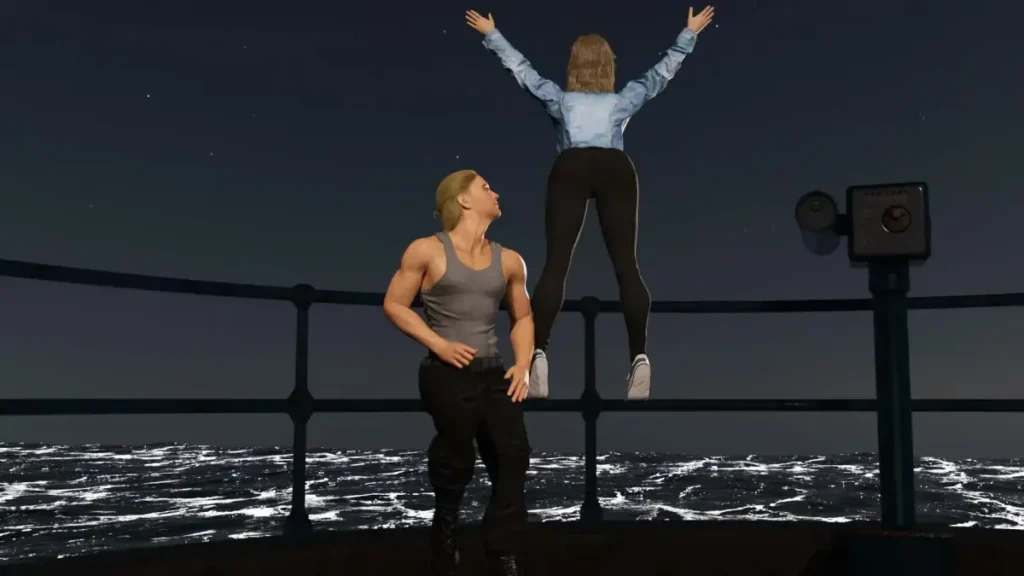
Motherless review
Explore the narrative-driven adult visual novel with branching storylines and player choices
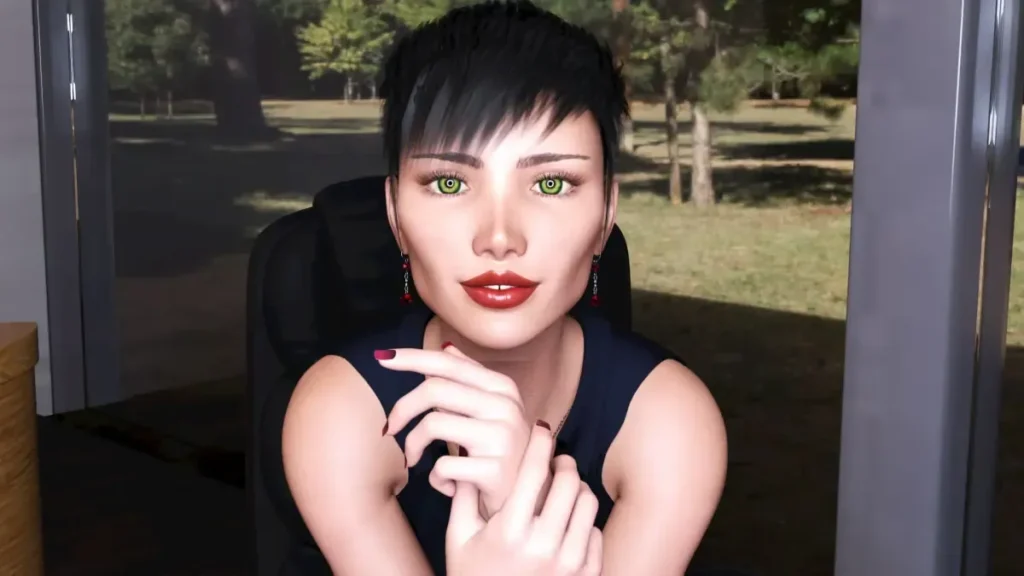
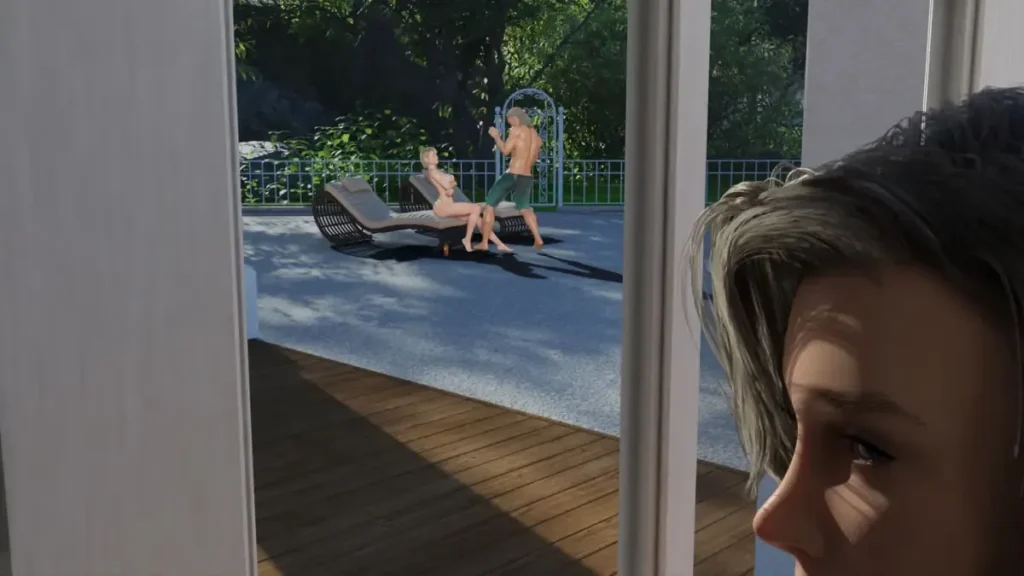
Motherless stands out as a sophisticated narrative-driven adult visual novel that combines emotional storytelling with meaningful player agency. Developed by Mr.Mister using the RenPy engine, this game follows Sunny, a protagonist separated from his mother at birth, on a journey of self-discovery and reconnection. The game features an intricate branching storyline where your choices significantly impact relationships and narrative outcomes. With extensive character customization, intuitive controls, and a completed storyline spanning multiple seasons, Motherless offers substantial replay value and emotional investment for players seeking a blend of compelling narrative and interactive gameplay.
Understanding Motherless: Core Gameplay Mechanics and Features
So, you’ve heard the buzz about this narrative-driven experience and you’re ready to dive in. Maybe you’re a visual novel veteran or perhaps this is your first foray into a story where your decisions truly matter. Either way, stepping into the world of Motherless can feel a bit like being handed the keys to a sprawling, emotional labyrinth. Where do you even start? 🗺️
The beauty—and sometimes the initial hurdle—of a game like this is that it throws out the traditional rulebook. Forget grinding for experience points or memorizing complex combat combos. Here, your most powerful tools are your attention, your empathy, and your ability to choose. But to wield those tools effectively, you need to understand the environment. That’s where getting a grip on the core mechanics comes in. Think of this guide as your friendly map and compass, helping you navigate the controls, shape your unique protagonist, and, most importantly, understand the profound weight of your choices. Let’s get you oriented.
How to Navigate the Game World: Controls and Interface
First things first: let’s talk about moving through this world. The Motherless game controls are designed to be intuitive, pulling from familiar PC gaming standards so you can focus on the story, not on fiddling with keys. If you’ve ever played a third-person exploration game or even a classic point-and-click adventure, you’ll feel right at home.
Movement is primarily handled with the classic WASD keys. ‘W’ moves you forward, ‘S’ backpedals, and ‘A’ and ‘D’ strafe left and right. It’s that simple. This gives you direct control to wander the environments, approach characters, and investigate points of interest at your own pace. The mouse is your other primary instrument. You use it to control the camera—click and drag to look around and get a better view of your surroundings or the person you’re talking to. When you see a glint or a highlighted object, a simple click initiates interaction, be it picking up a note, examining a photograph, or starting a conversation.
Now, here’s a pro-tip I learned the hard way during my first playthrough: always keep your journal handy. Tapping the ‘J’ key is your gateway to the menu and, more importantly, your personal journal. This isn’t just a save screen; it’s a dynamic log of your relationships, key story events, and your own character’s thoughts. I remember making a seemingly offhand comment to a character early on, forgetting about it entirely, and then chapters later finding a note in my journal that reflected how that moment had festered and changed their perception of me. The journal is the game’s way of whispering, “Hey, remember this? It’s still important.” 📖
To make it super clear, here’s a quick reference table for the essential Motherless game controls:
| Action | Primary Control | Function |
|---|---|---|
| Move Character | W, A, S, D Keys | Walk and explore the game environments freely. |
| Camera Control | Mouse Click & Drag | Look around your surroundings and at other characters. |
| Interact / Select | Mouse Click | Talk to people, examine objects, and make dialogue choices. |
| Open Journal & Menu | J Key | Access your quest log, relationship status, saves, and settings. |
| Advance Text (in Visual Novel segments) | Mouse Click or Spacebar | Progress through dialogue and narrative text. |
The interface itself is clean and unobtrusive. Dialogue options appear clearly, and the game cleverly uses environmental cues and character animations to signal when you can interact with something. There’s no HUD clutter—just you and the story. This minimalist approach is a hallmark of sophisticated RenPy game mechanics, where the engine’s flexibility allows for seamless transitions between 3D exploration and classic visual novel framing. It all works together to keep you immersed.
Character Customization: Creating Your Unique Protagonist
Many story-driven games give you a predefined hero with a fixed past and personality. Motherless flips that script, putting the pen in your hand from the very first moment. The character customization Motherless offers isn’t just a cosmetic afterthought; it’s the foundational layer of your entire narrative journey. This is where you answer the question: “Who am I in this world?”
The system is beautifully deep, split into three core pillars that let you craft someone who feels authentically yours. I spent a good hour here on my second playthrough, and it completely changed the story’s texture.
-
Physical Identity: This is your canvas. You can adjust facial structure, choose from a range of skin tones, define your body type, and set your height. It’s detailed enough to create someone who looks unique but streamlined enough to avoid overwhelming you with sliders. Do you want your protagonist to carry themselves with a tall, imposing presence, or does a more average, unassuming stature fit your story better? The choice subtly influences how other characters initially perceive you.
-
Style & Attire: Clothing isn’t just fabric here; it’s a statement. The game offers a variety of clothing options, from casual wear to more formal outfits. I chose a practical, slightly worn look for my first protagonist, which felt right for someone navigating a difficult personal history. This character customization Motherless feature lets you visually communicate your character’s background and current mindset before you even speak a word.
-
The Personality Seed: This is the magical part. 🪄 Beyond looks, you select initial personality inclinations—think of them as narrative seeds you plant. Are you inherently skeptical, warm, reserved, or impulsive? These aren’t rigid classes that lock you into a path. Instead, they gently weight your available dialogue options and influence how your character internally reacts to events. Choosing a “compassionate” seed, for example, might unlock a softer, more understanding response in a tense moment that another player wouldn’t even see. It ensures that your player agency narrative game experience begins with your very first creative decision.
Personal Insight: On my first run, I created a carefully composed, diplomatic character. On my second, I made someone quicker to anger and more sarcastic. The difference was night and day. Characters I’d befriended before were now wary of me, and story branches I didn’t know existed suddenly opened up. The game doesn’t judge your creation; it simply adapts the world to reflect it.
Interactive Storyline: How Your Choices Shape the Narrative
This is the heart and soul of the experience. Motherless is built on a philosophy of meaningful consequence, and its branching storyline gameplay is some of the most sophisticated I’ve encountered. Forget the illusion of choice; here, every conversation, every silenced retort, and every moment of honesty or deception sends ripples through the entire narrative pond.
Let’s be clear: these are interactive choices visual novel segments, but they are rarely about picking a simple “Good,” “Neutral,” or “Evil” response. The writing excels in moral and emotional grays. A choice that seems compassionate in the short term might enable destructive behavior later. A harsh truth might wound someone now but earn their deep respect down the line. The game tracks everything—your major decisions, your casual remarks, even whether you fulfilled a small promise or not.
This tracking directly fuels the visual novel story paths. Your relationship with every character is a dynamic, living statistic. A high rapport might unlock intimate, vulnerable conversations and exclusive story arcs. Let that trust erode, and those paths vanish, replaced by new (and often more difficult) narrative branches. I once failed to support a character during a critical moment of doubt. I assumed we’d “get past it.” We didn’t. An entire subplot about helping them rebuild their confidence was permanently locked off, and the game offered a completely different, sadder arc about our estrangement instead. It was heartbreaking, but it felt real.
The branching storyline gameplay ensures no two journeys are identical. You’re not just choosing “Path A” or “Path B” at a few key junctions. You’re weaving your own unique tapestry from hundreds of narrative threads. This is the ultimate expression of player agency narrative game design. The game respects your intelligence and your role as the author of this version of the story. There is no “grinding” for affinity points—your narrative capital is earned solely through your engaged choices and attention during dialogues and interactions.
A Case Study in Ripples: Early in the game, you might be asked for your opinion on a sensitive family memory. You have options ranging from empathetic to analytical to dismissive. Choosing the dismissive route might:
1. Immediately cool your relationship with the character sharing the memory.
2. Cause them to share less with you later, locking you out of a key piece of backstory.
3. Influence how other characters perceive your loyalty, as word gets around.
4. Ultimately steer the final conclusion of that character’s arc toward one of several possible, bittersweet endings you helped create.
This nuanced, cause-and-effect design is a testament to powerful RenPy game mechanics being used to their full potential, creating a web of visual novel story paths that feel both vast and intensely personal.
By mastering the simple controls, thoughtfully crafting your protagonist, and embracing the weight of your decisions, you move from being a passive player to an active co-author. Motherless provides the tools, the stage, and the incredibly responsive cast. What happens next is entirely, thrillingly, up to you. Your unique story is waiting to be told. ✨
Motherless represents a sophisticated approach to adult gaming by successfully merging compelling narrative depth with meaningful player agency. The game’s strength lies in its intricate story structure where Sunny’s journey of self-discovery unfolds through choices that genuinely impact relationships and outcomes. From intuitive controls and extensive character customization to a completed narrative spanning multiple seasons with thousands of high-quality renders and animations, the game delivers a comprehensive experience that respects player investment. Whether you’re drawn to the mystery of family secrets, the complexity of emotional relationships, or the provocative encounters throughout the narrative, Motherless offers an immersive experience that goes beyond typical adult gaming. If you’re seeking a visual novel that balances storytelling with player agency, this game provides the depth and engagement you’re looking for.