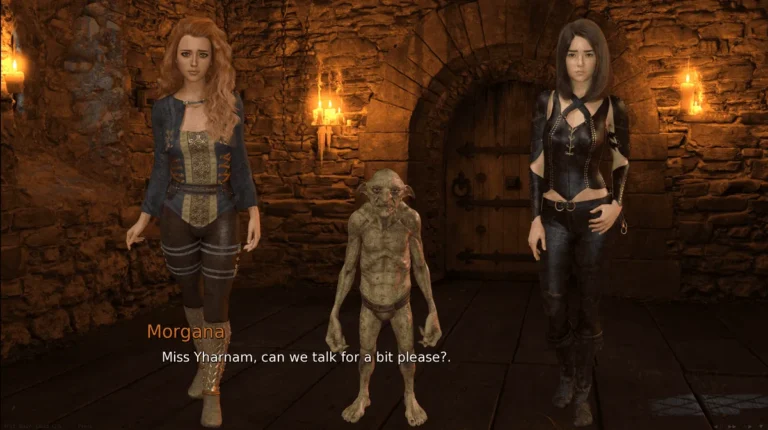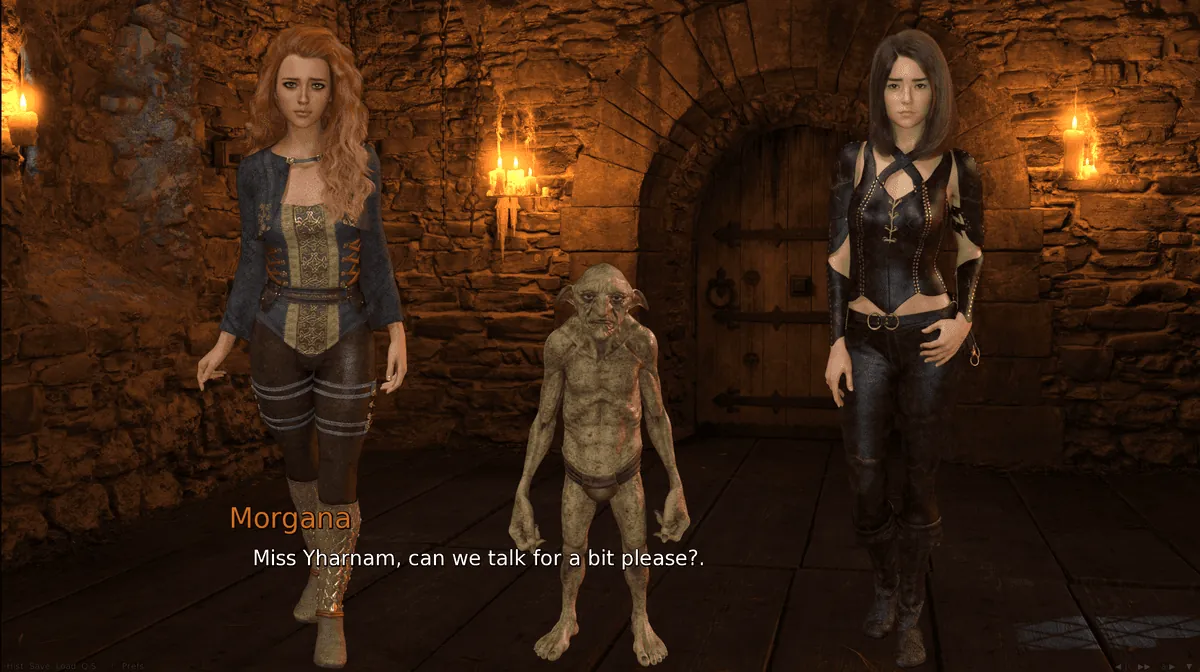
The Goblin’s Brides
Play The Goblin’s Brides
The Goblin’s Brides Screenshots



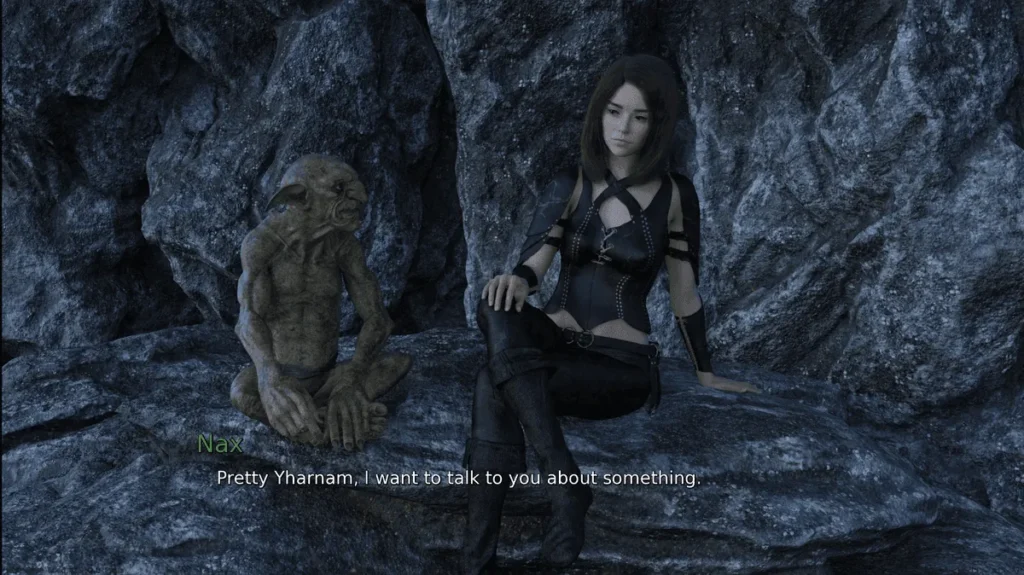




The Goblin’s Brides review
An in-depth, player-first look at The Goblin’s Brides adult game
The Goblin’s Brides is an adult-oriented interactive game that blends narrative choices, character progression, and mature themes—this guide dives straight into what players want to know: gameplay mechanics, story beats, content considerations, and practical tips for a satisfying playthrough. Whether you’re researching before downloading or trying to get past a tricky chapter, this article gives a player-focused roadmap with personal insights and actionable advice to get the most from The Goblin’s Brides.
Gameplay Overview: Mechanics, Progression, and Player Choices
So, you’ve entered the twisted, captivating world of The Goblin’s Brides gameplay and are ready to master its systems? 🎮 You’re in the right place. This isn’t just about clicking through scenes; it’s about strategically navigating a web of choices, building your character’s power, and steering the narrative toward your desired outcome. This guide will break down everything from the basic menus to the most impactful late-game decisions, giving you the tools to craft your unique story.
Let’s dive into the mechanics that make this adventure tick. 💪
Core mechanics and user interface
First things first: getting comfortable with the controls. The game mechanics The Goblin’s Brides employs are built on a foundation of intuitive point-and-click navigation, but with several layers of depth beneath the surface. The main screen is your command center, typically divided into a central narrative window, a persistent dialogue log, and unobtrusive UI buttons for your inventory, character sheet, and quest log.
The most critical element you’ll use daily is the dialogue and choice system. Choices aren’t just flavor text; they are the primary drivers of relationship scores, story branches, and sometimes even immediate skill checks. A small but crucial tip: the game autosaves at major chapter transitions, but I highly recommend using the manual save slots liberally. Before any choice that feels significant, create a new save. Trust me, you’ll thank yourself later when you want to explore a different path without replaying hours of content. 🗂️
Another key panel is your inventory and resource screen. Here, you’ll manage consumables, key story items, and the various currencies you collect. It’s a clean, grid-based system. Hovering over items usually gives you a clear description of their use, whether it’s a gift to improve someone’s opinion of you or a potion for a tough encounter.
To give you a quick-reference overview, here’s a breakdown of the core systems you’ll interact with:
| Core Mechanic | What It Affects | Player Tip |
|---|---|---|
| Dialogue Choices | Relationship levels, story branches, hidden triggers. | Save before major conversations. Tone (Kind, Assertive, Cunning) matters as much as the words. |
| Save System | Your ability to explore consequences and backtrack. | Use all 20+ manual slots. Create named saves before big decisions or ability purchases. |
| Primary Resources (Gold, Favor, Essence) | Ability purchases, story progression, gift-giving. | Gold is common, Favor is character-specific and precious, Essence is for high-tier upgrades. Spend wisely! |
Mastering this interface is the first step to controlling your fate in The Goblin’s Brides. It’s your map and your toolkit, all in one. 🧭
Character progression, abilities, and resources
Now, let’s talk about growing your power. This character progression guide will help you understand how to shape your protagonist from a wary newcomer into a legend of the grotto. Your strength is measured through a combination of core attributes, unlocked abilities, and relationship levels.
Your core attributes—often things like Strength, Cunning, Charm, and Resolve—are the bedrock. They are raised slowly through key story milestones, specific choices, and occasionally by finding rare tomes or completing special tasks. These attributes act as gates for certain dialogue options and ability unlocks. For example, a high Cunning might let you fast-talk past a guard, while high Resolve could allow you to withstand a terrifying vision.
The real fun begins with the ability system. As you progress, you’ll earn points to spend in distinct talent trees, each aligning with a different approach to the game’s challenges. You might invest in “Diplomat” skills for peaceful resolution and better gift-giving, or the “Shadow Dancer” tree for stealth and critical strikes in confrontational scenes. My personal ability build tips? Don’t spread yourself too thin early on. In my first playthrough, I tried to be a jack-of-all-trades and hit a nasty wall mid-game where I wasn’t strong enough in any one area to pass crucial checks. Focus on one or two trees that match your desired playstyle initially.
Resources are the fuel for this progression. You’ll primarily manage three types:
* Gold: The common currency. Spend it on common gifts, basic supplies, and low-tier ability unlocks.
* Favor: A more precious resource earned with specific characters through choices and quests. It’s used for unique, character-specific abilities and story advancements.
* Essence: A rare, powerful substance found in major story moments or boss encounters. This is for your ultimate, game-changing upgrades.
This brings us to a vital resource management guide principle: be conservative early. That expensive charm in the first market? You probably don’t need it. Hoard your Favor and Essence for the mid-to-late game when you know exactly which ending you’re pursuing and which high-cost abilities will get you there. Think of resources as narrative ammunition—every spend should be a deliberate step toward your goal. 💰
Decision impact: branching paths and endings
This is where The Goblin’s Brides truly shines. Every choice, from a seemingly throwaway line of dialogue to a major alliance decision, ripples through the story. The branching endings The Goblin’s Brides offers are not just a final slide; they are the culmination of hundreds of tiny decisions across your entire playthrough.
Meaningful decisions start early. In the first act, you might be asked how to deal with a captured spy. Do you show mercy (boosting your “Compassionate” hidden score and endearing you to certain characters) or execute them as an example (raising your “Ruthless” score and intimidating others)? This isn’t just about being “good or bad.” It’s about defining your character’s reputation, which will open or close entire story arcs hours later. Characters will remember your early actions and treat you accordingly, locking or unlocking unique dialogue and even romantic subplots.
The game uses a sophisticated web of hidden flags and relationship values. You won’t see a numerical score for every character, but their demeanor and available options will change based on your cumulative interactions. Giving consistent gifts, choosing supportive dialogue, and completing their personal quests are all essential.
Let me share a personal anecdote that perfectly illustrates this. In my second playthrough, I was determined to see a specific “Unity” ending, which required high rapport with three key characters. In Chapter 3, I faced a classic resource dilemma: I had enough Favor with one character to buy a powerful combat ability I desperately wanted, or I could spend it on an exquisite, unique gift for another character who was currently cold toward me. I chose the gift, sacrificing short-term power for a long-term relationship boost. That single gift, combined with subsequent choices, shifted that character’s path just enough. By the final chapter, that strained alliance was secure, and it was the final piece I needed to unlock the peaceful “Unity” conclusion I was aiming for. It was a tough call in the moment, but it made the ending feel truly earned.
Troubleshooting Tip: Hit a progression bottleneck where you can’t seem to improve a relationship or unlock a path? Go back to an old save and scrutinize earlier chapters. Often, a missed interaction or a contrary choice from many hours prior is the culprit. The game’s memory is long!
To wrap up this The Goblin’s Brides gameplay overview, here are my actionable playstyle recommendations:
* Early Game (Chapters 1-3): Play conservatively. Explore thoroughly to find resources, but save often and spend them sparingly. Commit to a primary attribute focus and a matching ability tree. Don’t worry about “missing out”—that’s what future playthroughs are for! 🔍
* Mid-Game (Chapters 4-6): This is your time to experiment. You should have a solid foundation, so start experimenting with ability combos within your chosen specialization. Use your stockpiled resources to make big pushes on relationship goals or unlock a signature powerful ability. The narrative branches will start to become visibly wider here.
* Late Game (Chapters 7+): Double down on your chosen path. By now, you should know which ending you’re steering toward. Spend your remaining rare resources to overcome the final, toughest checks. Ensure your relationship flags are where they need to be, and make your final, defining choices with confidence.
Understanding the game mechanics The Goblin’s Brides uses is the key to moving from a passive observer to an author of your own dark fantasy tale. With this character progression guide and resource management guide in hand, you’re equipped to navigate the complexities of the grotto, build your power wisely, and ultimately, discover the profound consequences of your choices. Happy plotting, Chief! 👑
The Goblin’s Brides offers a layered experience where narrative choices, relationship systems, and resource management interact to create replayable outcomes. Use the gameplay overview and early-game checklist to establish a stable progression path, explore relationship mechanics thoughtfully, and practice safe installation habits. Join community hubs for updated patches and practical help, and try multiple builds to discover which playstyle fits you best. If you found this guide helpful, try the recommended early-game checklist on your next session and share your experience in the community.