The Sin Within
Play The Sin Within
The Sin Within Screenshots
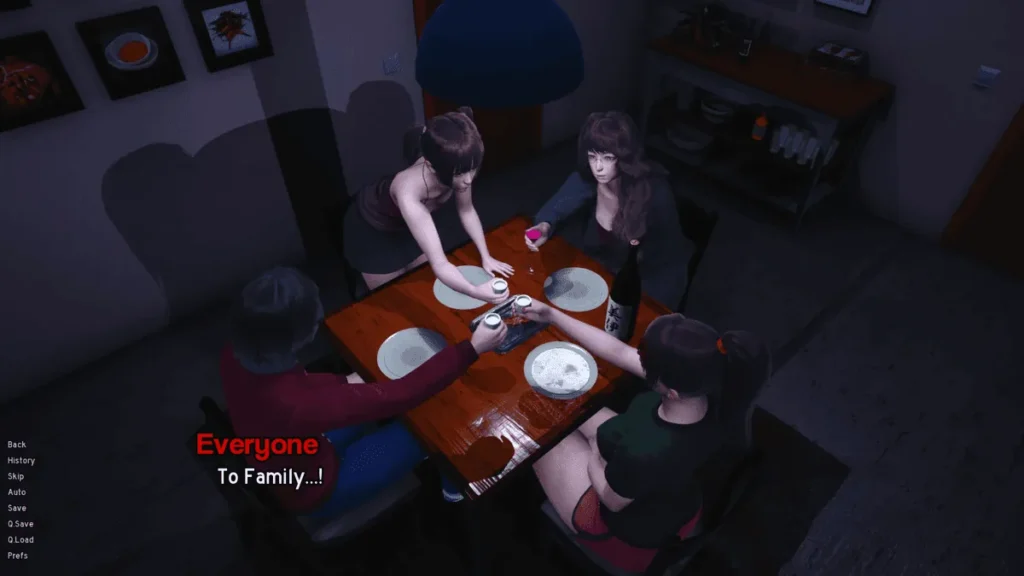
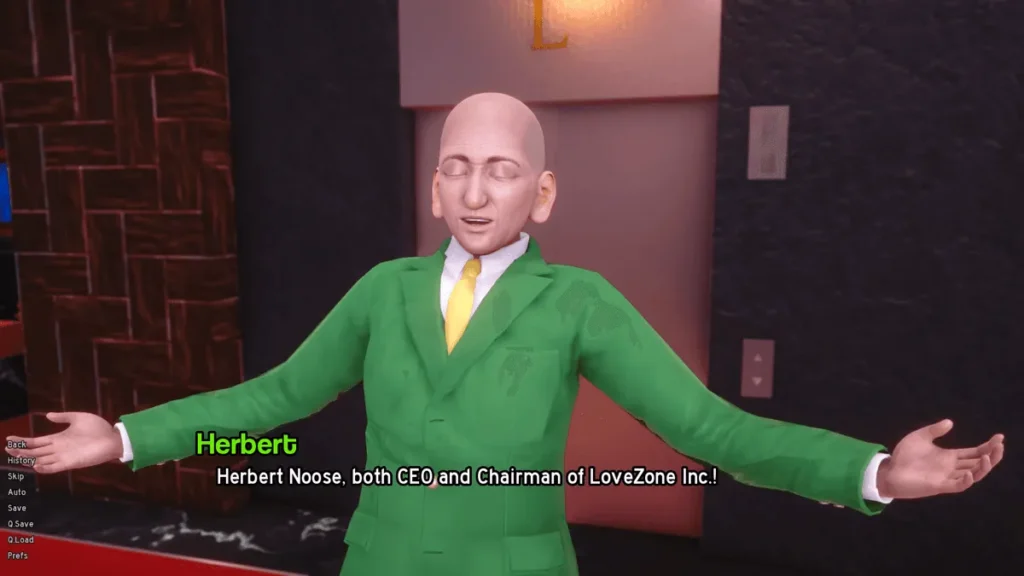
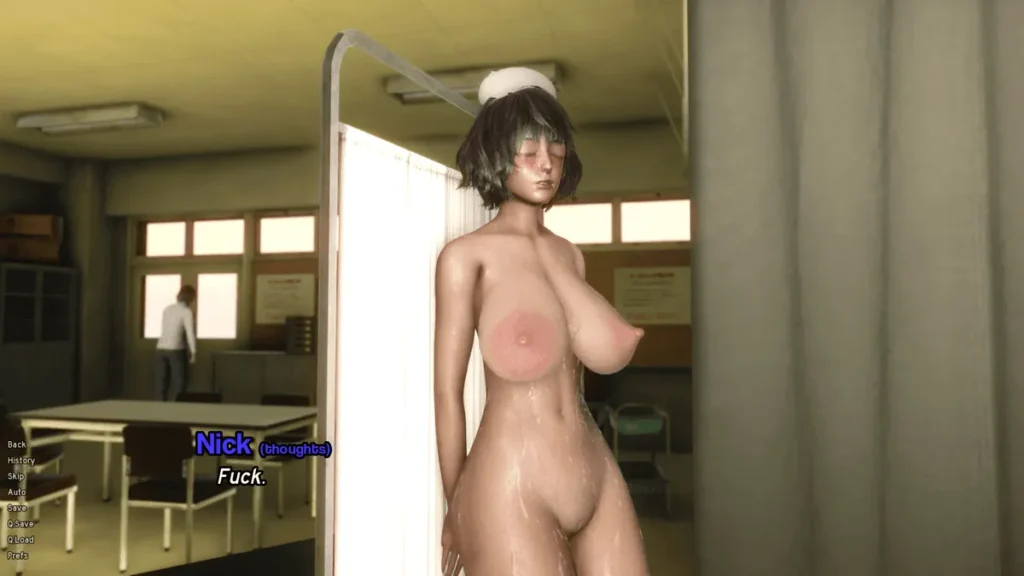
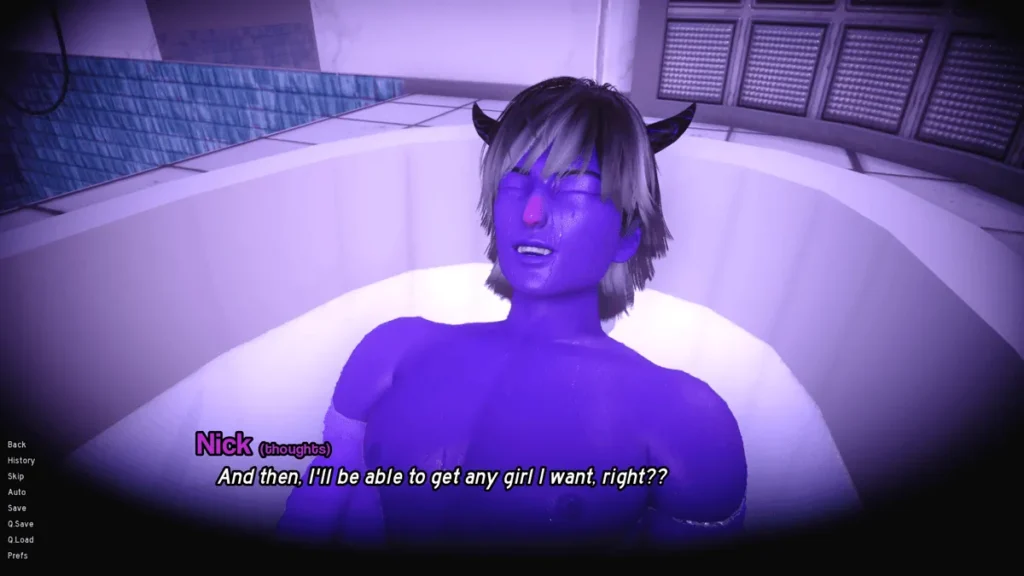
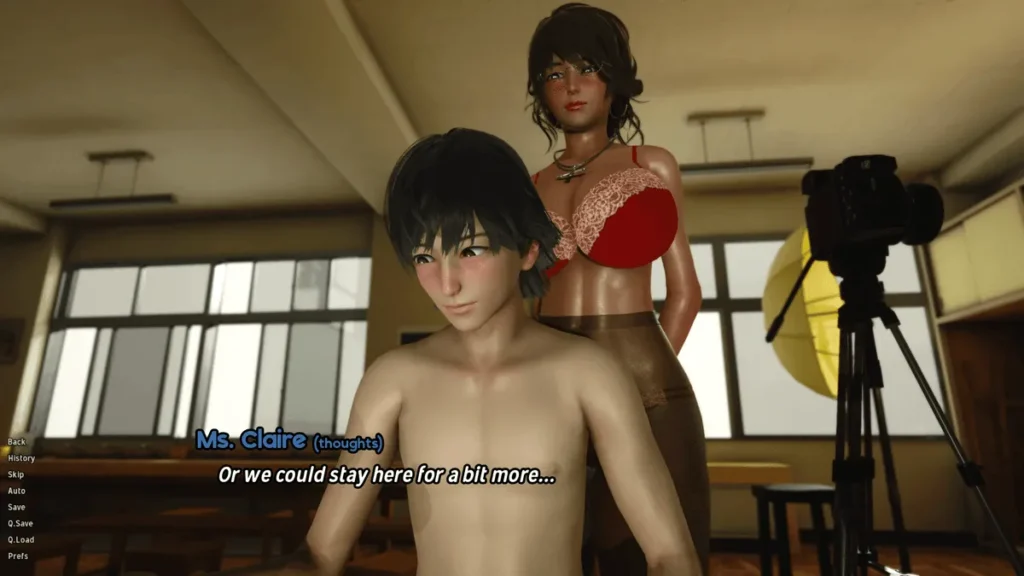
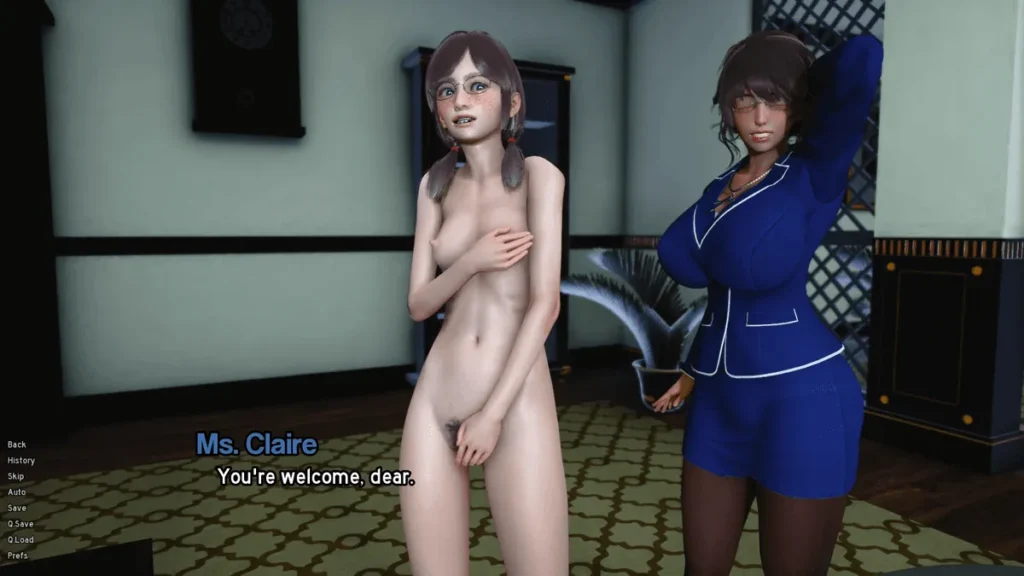
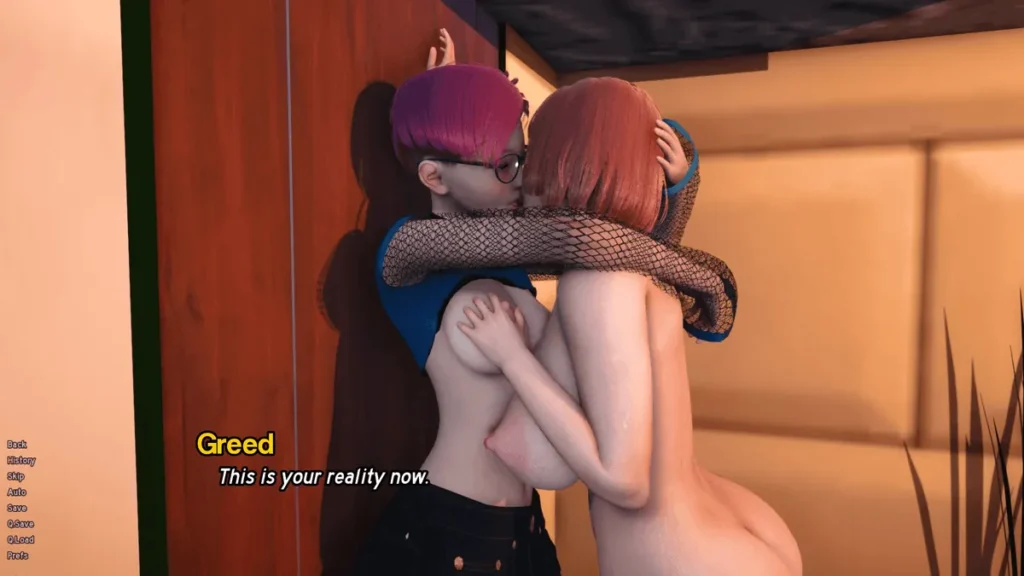
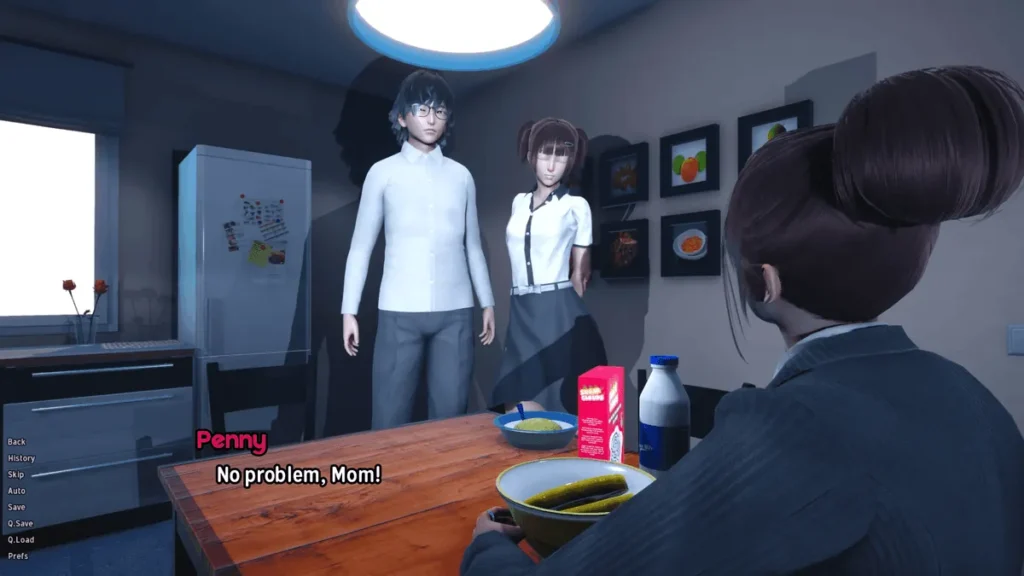
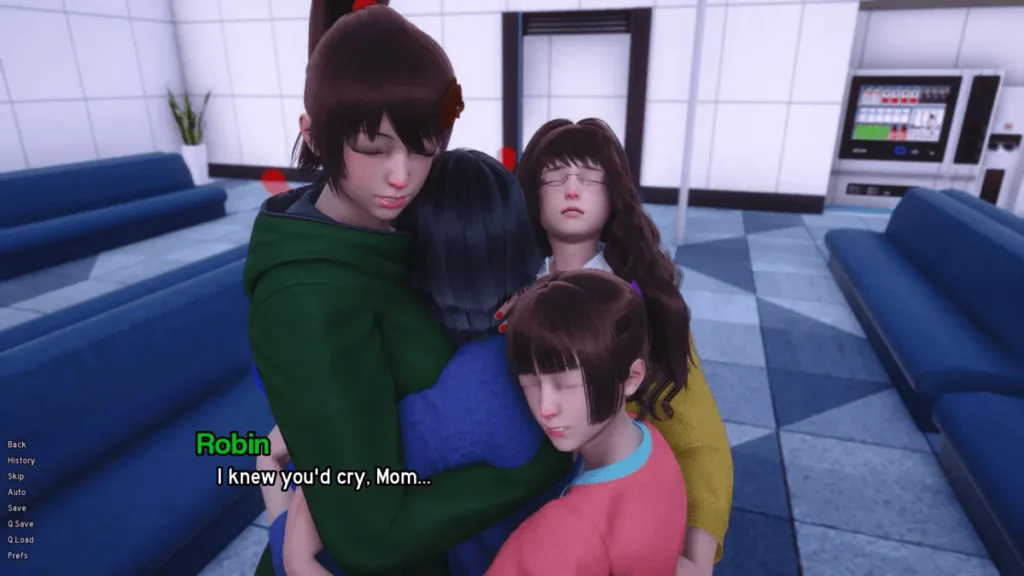
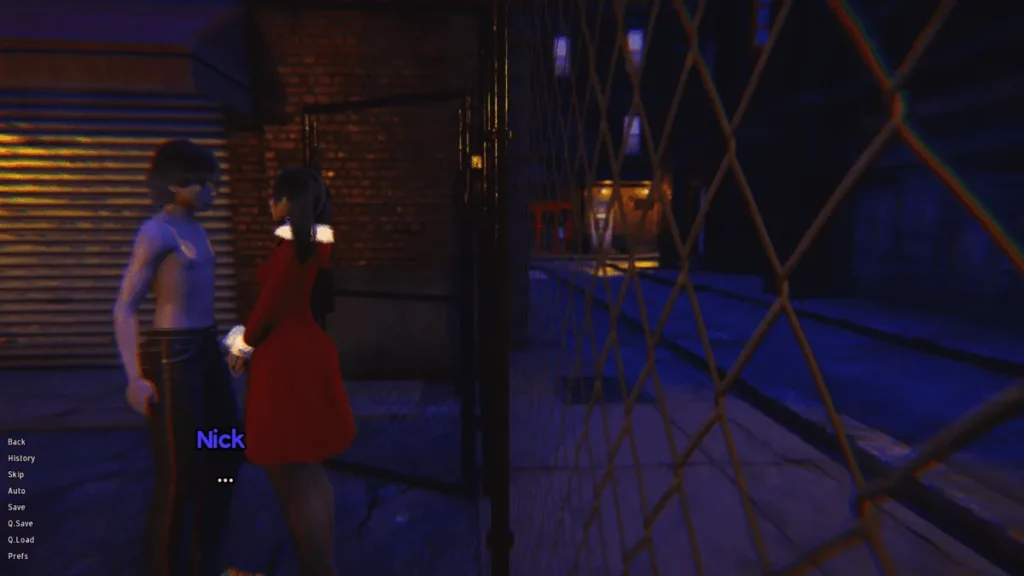
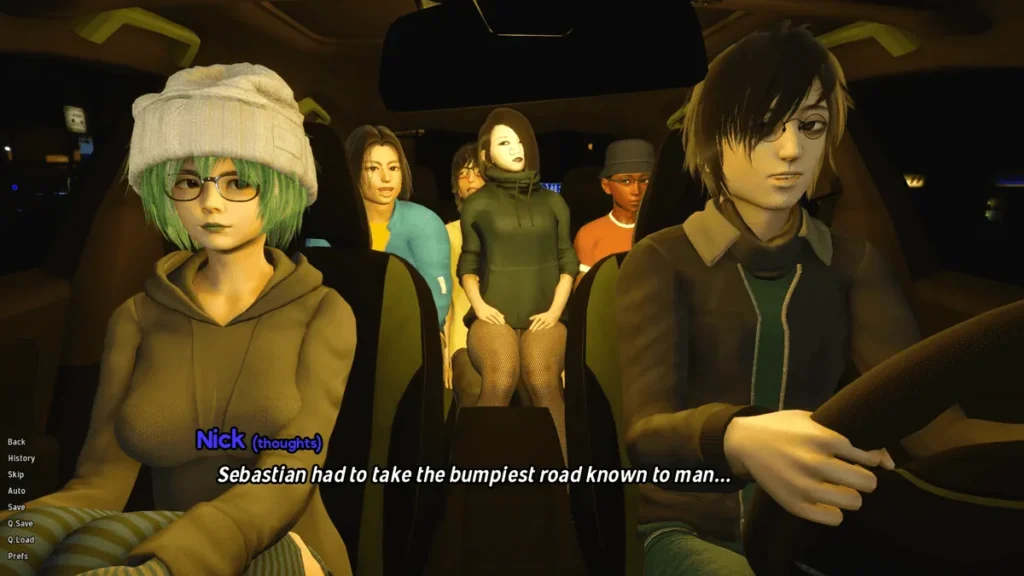
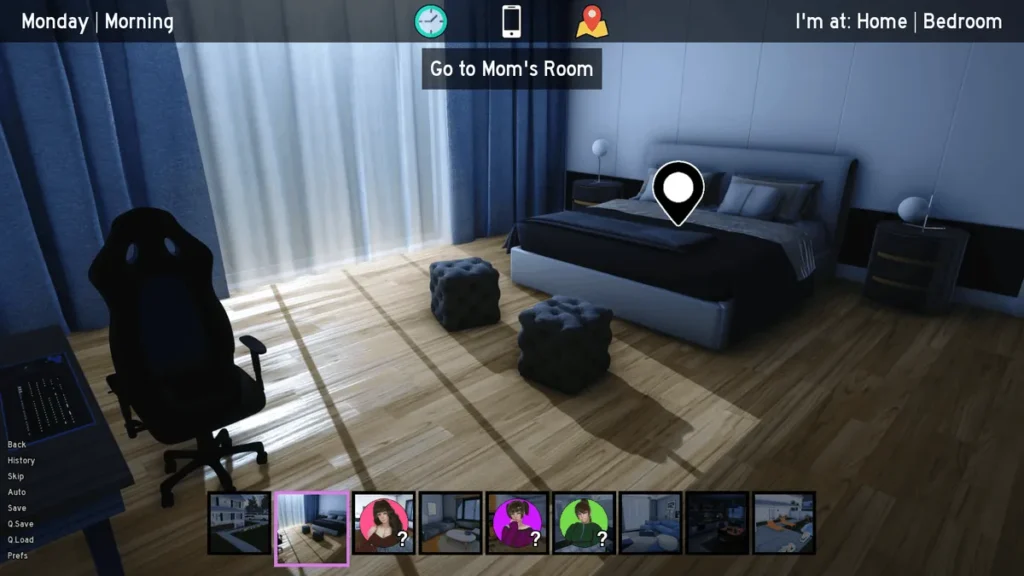
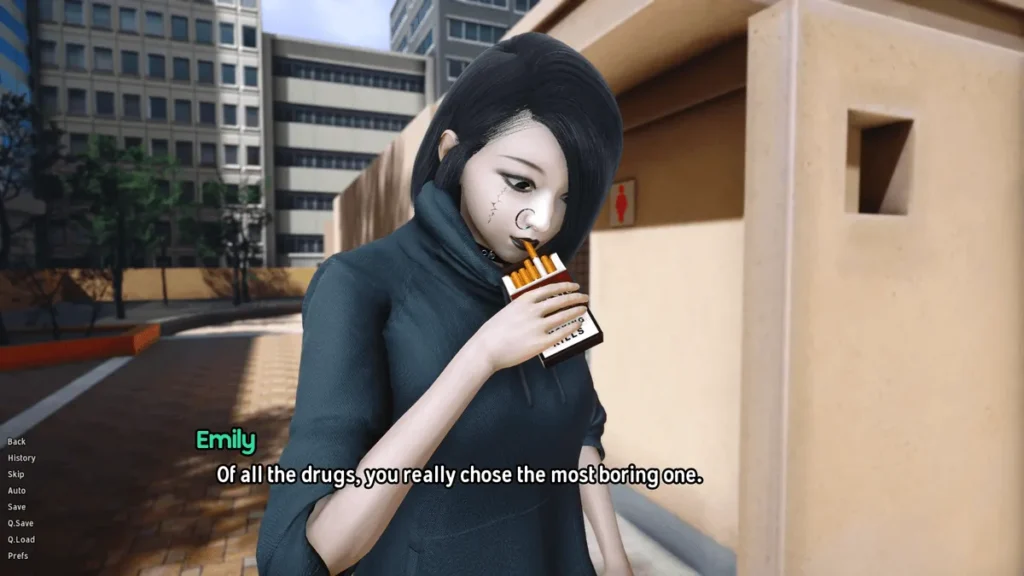
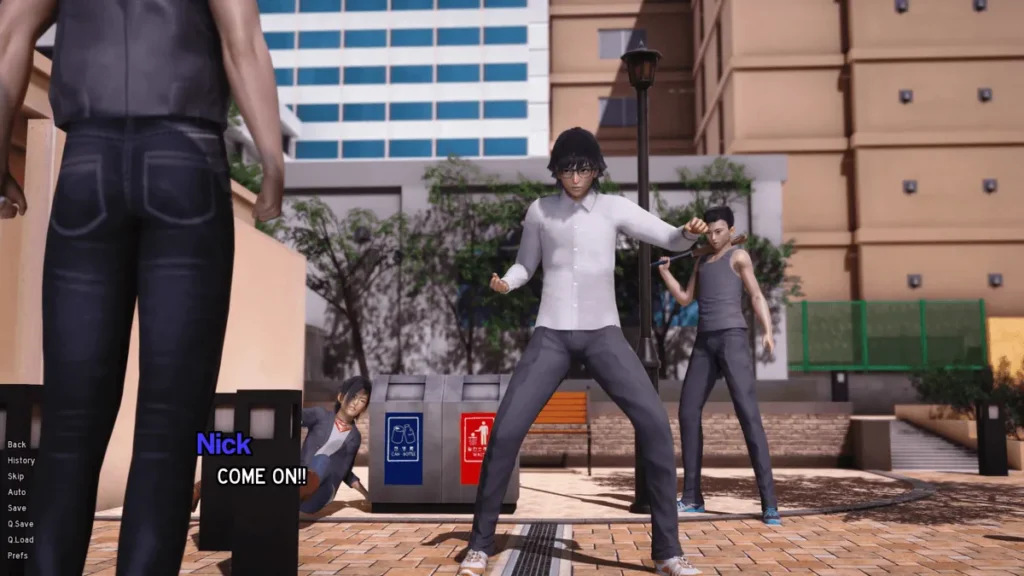
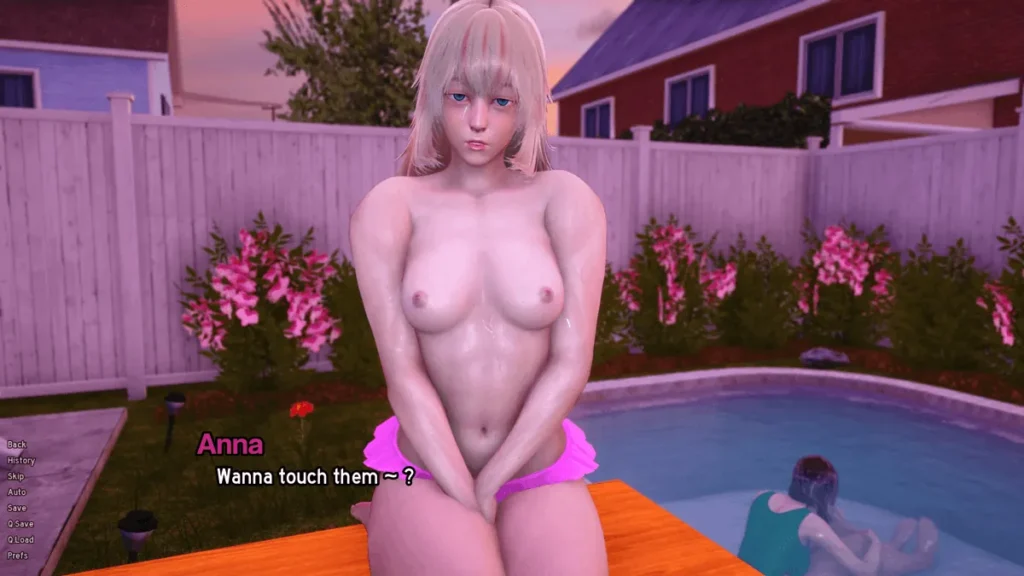
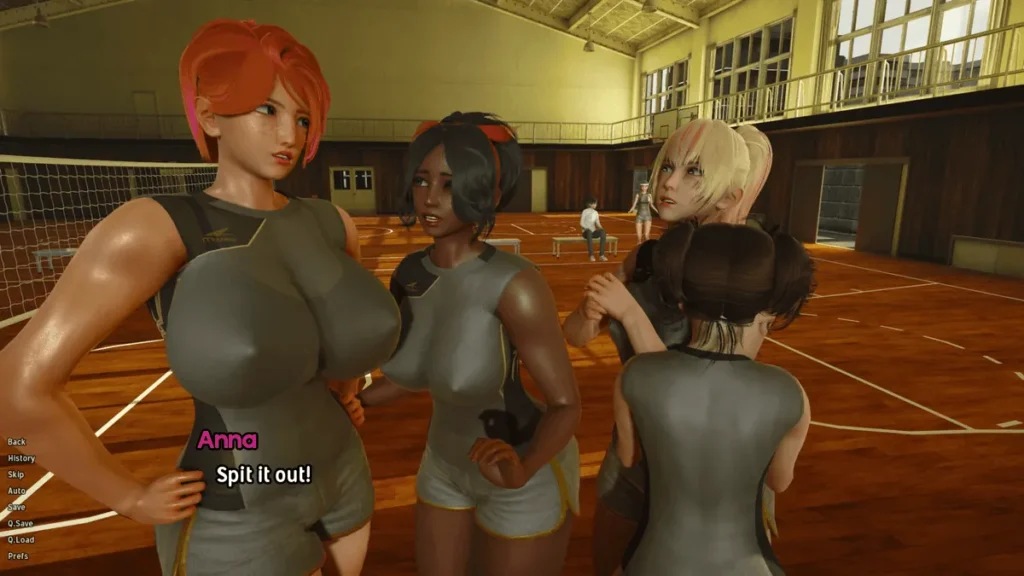
The Sin Within review
Exploring the controversial indie title that challenges gaming boundaries
The Sin Within stands as one of the most polarizing indie games in recent years, generating significant discussion within gaming communities. This adult-oriented title combines narrative elements with mature themes, creating an experience that divides players and critics alike. Whether you’re curious about the game’s controversial content, gameplay mechanics, or critical reception, this guide provides a comprehensive overview of what The Sin Within offers. Understanding this game requires examining its design philosophy, content approach, and the broader conversation it sparked within the indie gaming landscape.
Understanding The Sin Within: Game Overview and Design Philosophy
Ever stumbled upon a game that made you pause and think, “Wait, are they allowed to do that?” 🤔 That was my exact feeling when I first booted up The Sin Within. This isn’t your typical indie darling with charming pixel art and a heartwarming story. No, this is something else entirely—a deliberate, often uncomfortable plunge into themes most games wouldn’t touch with a ten-foot pole. If you’re curious about this controversial title that genuinely challenges gaming boundaries, you’re in the right place. Let’s pull back the curtain.
What Is The Sin Within and Its Core Concept?
At its heart, The Sin Within is a psychological horror adventure built on a foundation of uncomfortable introspection. You don’t play as a hero; you inhabit the crumbling psyche of someone grappling with their own past misdeeds and moral decay. The core concept is brutal in its simplicity: your actions, both past and present, have tangible, often horrifying consequences that reshape the world and narrative around you.
The intended audience is clear: mature players seeking a narrative-driven experience that prioritizes thematic weight over simple escapism. This is adult-oriented gameplay not just in terms of content, but in its demand for emotional and intellectual engagement. You’re not here to feel powerful; you’re here to feel, period—be it disgust, pity, fear, or a unsettling sense of recognition.
The indie game design philosophy here is one of uncompromising vision. Freed from the need to appeal to a mass market, the developers have crafted an experience that is deliberately paced, intentionally jarring, and built to provoke conversation. The game asks: What lines are you willing to cross? What parts of yourself are you willing to confront? The world of The Sin Within is a distorted reflection of the protagonist’s soul, and every rusted pipe, every flickering light, and every haunting whisper is part of that story progression.
Gameplay Mechanics and Player Experience
Forget skill trees and unlockable combos. The game mechanics overview for The Sin Within reveals a system deeply intertwined with its narrative. Interaction is slow, deliberate, and sometimes physically laborious, mirroring the protagonist’s strained state of mind. This isn’t about fluid action; it’s about immersive simulation of a broken reality.
The player experience is defined by a constant, low-grade tension. You’ll spend a significant amount of time exploring detailed, oppressive environments, piecing together clues from documents, audio logs, and environmental storytelling. The puzzles are less about logic and more about perception and understanding the warped rules of this psychological space. Fail to grasp the metaphorical significance of an item, and you may find yourself stuck, not because the puzzle is hard, but because you haven’t yet understood the story’s language.
Here are the key gameplay features and mechanics that define the experience:
* First-Person Introspection: The entire game is played from a close, claustrophobic first-person perspective. Interaction animations are slow and weighty, emphasizing your connection to the environment.
* The “Consequence” System: Your choices, from dialogue options to how you handle key items, are tracked. These don’t lead to a simple “good or evil” ending, but subtly alter character interactions, environmental details, and even the types of horrors you encounter.
* Sanity as a Lens: While there might not be a traditional “sanity meter,” the world itself reacts to your stress and actions. Prolonged exposure to disturbing scenes or making morally dubious choices can cause visual and auditory distortions, blurring the line between reality and psychological manifestation.
* Limited Agency Combat: If and when confrontation occurs, it is messy, desperate, and often a last resort. Resources are scarce, and “winning” a fight rarely feels victorious, often making the situation morally or psychologically worse.
The pacing is deliberate—some might say slow—but it’s in service of dreadful atmosphere. The story progression is not handed to you; it’s excavated through painful effort. My first playthrough took me roughly 10-12 hours, but that time can vary widely based on how thoroughly you explore and how long you ponder certain decisions. The content isn’t distributed in traditional “levels,” but in chapters that represent different facets or memories of the protagonist’s life, each with a distinct emotional and environmental tone.
| Gameplay Aspect | Description | Player Experience Impact |
|---|---|---|
| Exploration & Interaction | Slow, deliberate examination of environments. Objects have weight and purpose. | Builds immersion and tension, making the world feel tangible and threatening. |
| Puzzle Design | Metaphor-based puzzles tied to the protagonist’s psyche and past traumas. | Forces engagement with the narrative’s themes; solutions feel like personal breakthroughs. |
| Choice & Consequence | Subtle, systemic tracking of moral and practical decisions throughout the story. | Creates a deeply personalized experience where players feel responsible for the unfolding horror. |
| Atmospheric Pressure | Constant use of sound design, lighting, and environmental decay to create unease. | Maintains a state of anxiety without constant jump-scares, leading to psychological fatigue that mirrors the protagonist’s. |
Narrative Structure and Story Elements
This is where The Sin Within truly cements its identity. The narrative isn’t a backdrop; it’s the entire stage, the actor, and the script. The story progression is non-linear, unfolding like a fractured memory. You might start in a dilapidated apartment in the present, only to have the world dissolve around you into a childhood home or the scene of a past transgression. Time is fluid, dictated by emotion and guilt rather than chronology.
The setting is a character in itself—a decaying, industrial-tinged urban landscape that seamlessly bleeds into more surreal, symbolic spaces. It feels both familiar and utterly wrong, a perfect visual representation of a guilt-ridden mind. The main antagonist is rarely a traditional monster or villain. Instead, the primary conflict is internal: the protagonist versus their own actions, their remembered victims, and the personas they’ve created to cope. Supporting characters are often glimpsed through this distorted lens—were they truly so cruel, or is that how our protagonist remembers them? This ambiguity is central to the character development in games that The Sin Within practices; you develop not by gaining strength, but by gaining understanding, however painful.
I remember one specific playthrough where I chose to destroy a symbolic object representing a lie I’d told. In a later chapter, a character who would have otherwise provided a key item based on that trust instead was gone, replaced by a more hostile manifestation of my guilt. The game didn’t announce “Choice Made!”—it just silently reshaped the world, leaving me to discover the consequences myself. It was a powerful, lonely moment.
Example of how narrative choices impact gameplay progression: Early on, you find a wounded, symbolic animal—let’s call it a “creature of regret.” You have two meaningful options: end its suffering quickly and mercifully, or ignore it, leaving it to whimper. Choosing mercy uses a precious resource and is emotionally draining. Choosing to ignore it is practically easier but haunts you. Hours later, in a climactic moment where you are being pursued, the environment changes based on that choice. The merciful path might have the creature’s spirit subtly guide you to a hidden, safe route. The ignore path could see the creature’s form twisted into a new, aggressive enemy blocking your main path. The narrative-driven experience directly architects the challenge you face.
This approach to adult-oriented gameplay means themes of addiction, betrayal, abuse, and profound regret are not just mentioned; they are lived. The game forces you to participate in uncomfortable scenarios, making you complicit in the protagonist’s downfall or recovery. Your journey through the chapters—be it the denial-filled “Haven,” the accusatory “Courtroom of Memory,” or the depressive “Stagnant Waters”—feels like a brutal form of therapy. The character development in games here is about decomposition and reconstruction, not incremental stat boosts.
In conclusion, The Sin Within stands as a stark testament to the power of focused indie game design. It is a challenging, often disagreeable, but undeniably memorable narrative-driven experience. It uses its adult-oriented gameplay not for shock value alone, but as a tool for crafting a unique kind of horror—one that lingers not because of a scary monster, but because of the unsettling questions it leaves echoing in your mind long after you’ve closed the game. It’s a difficult game to “love” in the traditional sense, but an easy one to respect for its audacity and its unwavering commitment to its own dark vision. 🕯️
The Sin Within represents a significant entry in the indie game landscape, demonstrating how developers can create experiences that challenge conventional gaming norms. The game’s combination of mature narrative elements, distinctive gameplay mechanics, and controversial design choices has established it as a notable title within adult-oriented gaming communities. Whether viewed as innovative or divisive, The Sin Within continues to spark conversations about content boundaries, artistic expression, and player agency in interactive media. For those interested in exploring unconventional indie titles or understanding the broader spectrum of game design, The Sin Within offers valuable insights into how developers approach mature themes and player engagement. The game’s reception underscores the diversity of gaming experiences available to players seeking alternatives to mainstream titles.