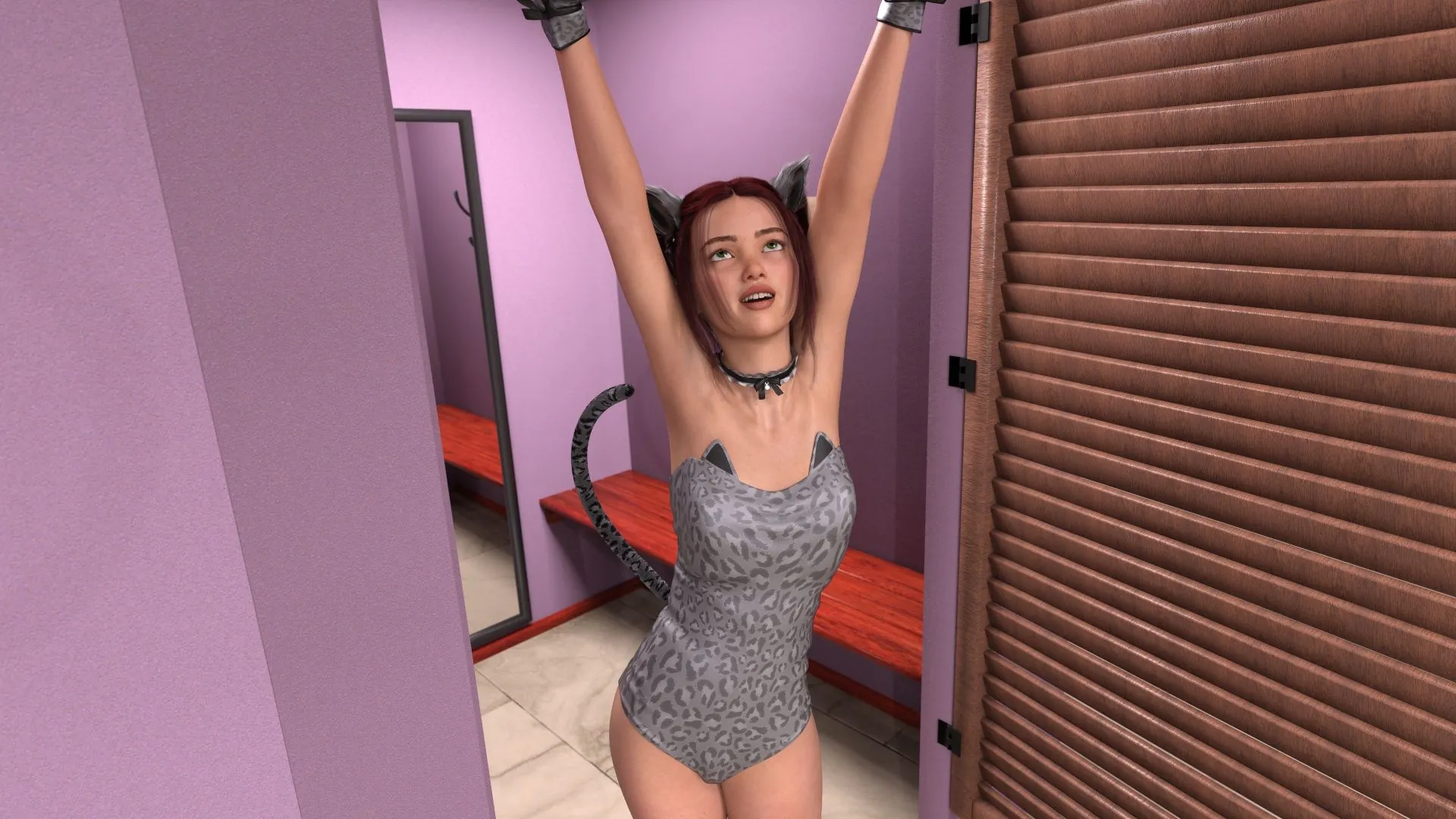
The Theater of Sinners
Play The Theater of Sinners
The Theater of Sinners Screenshots
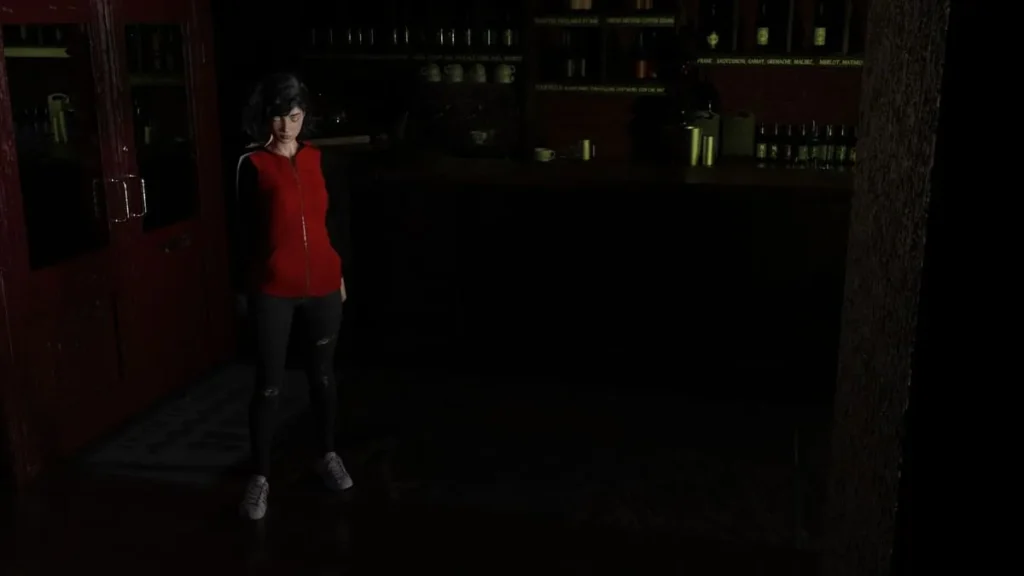
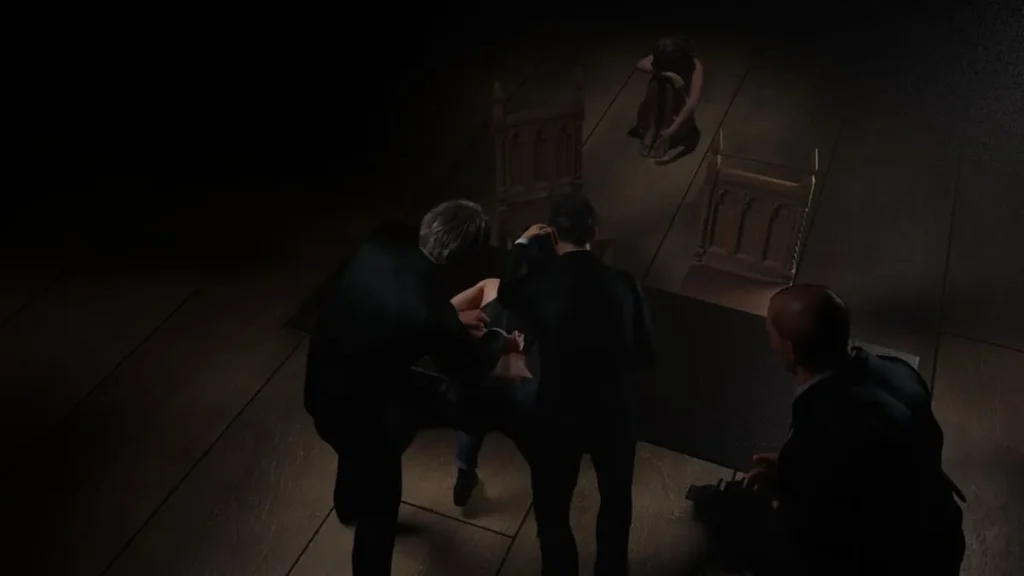
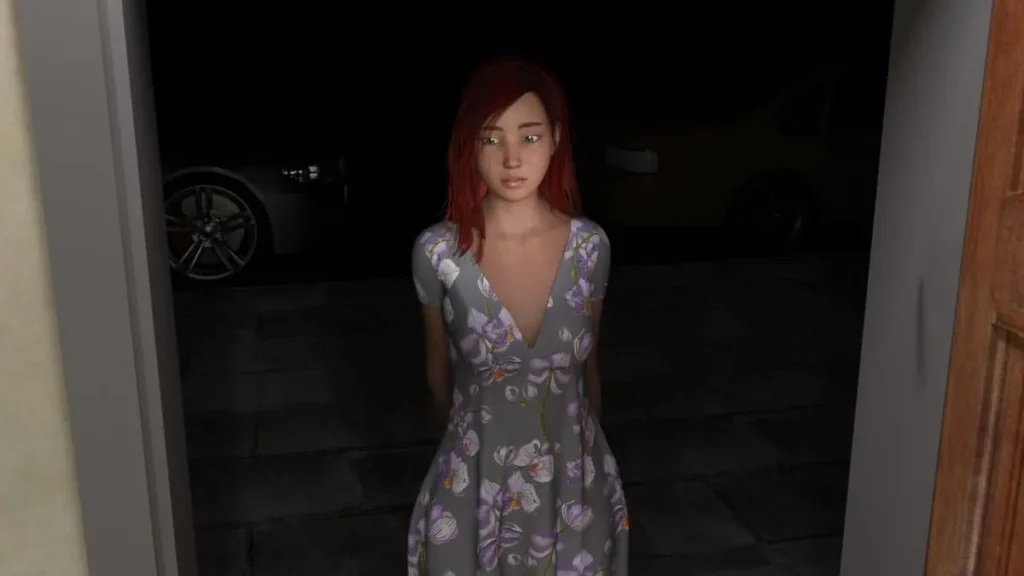
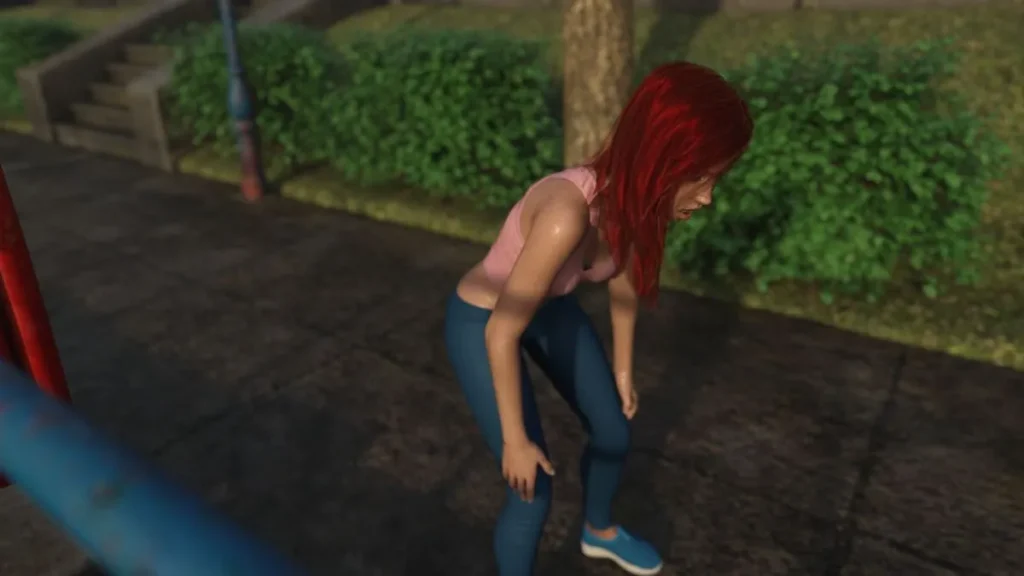
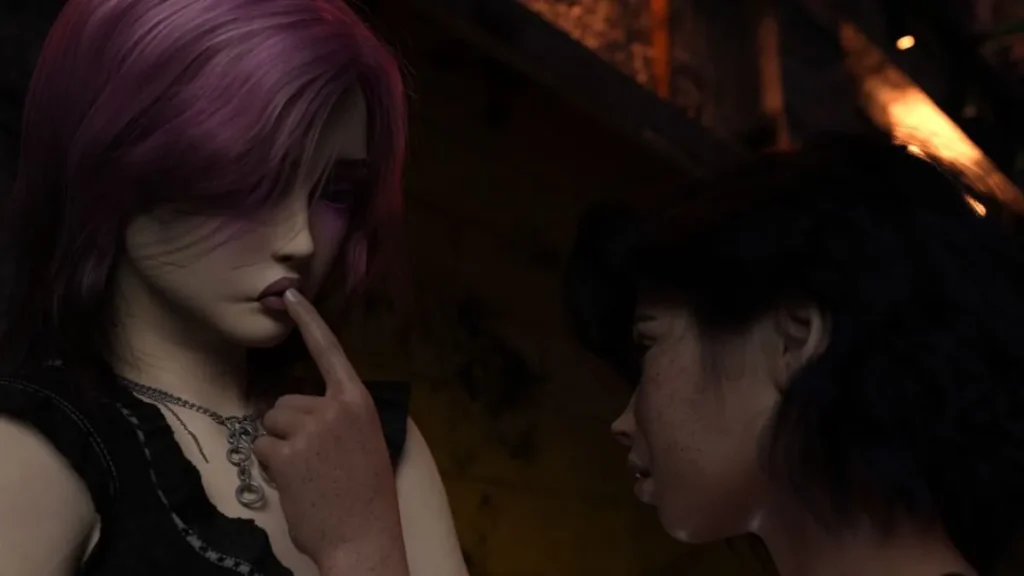
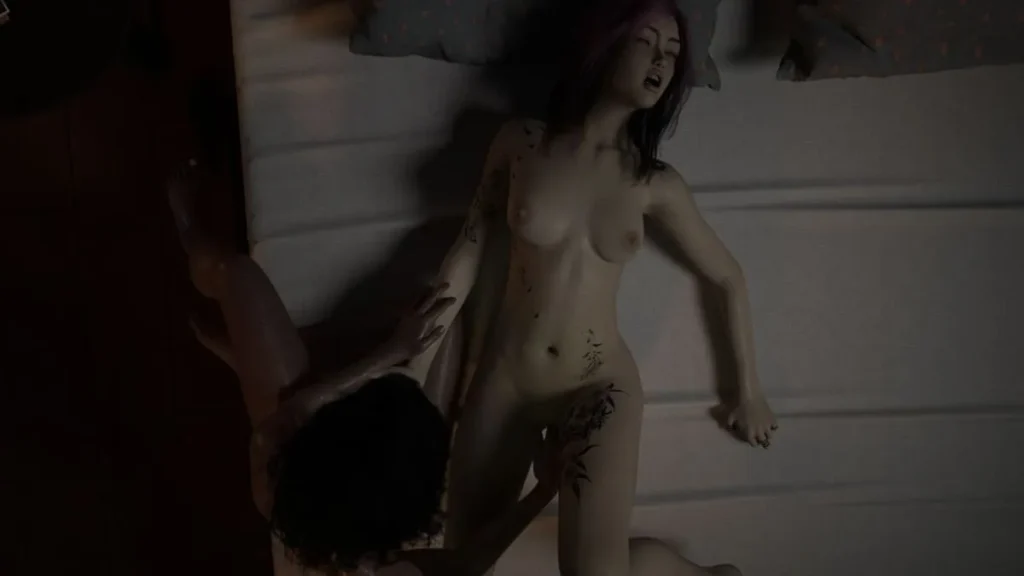
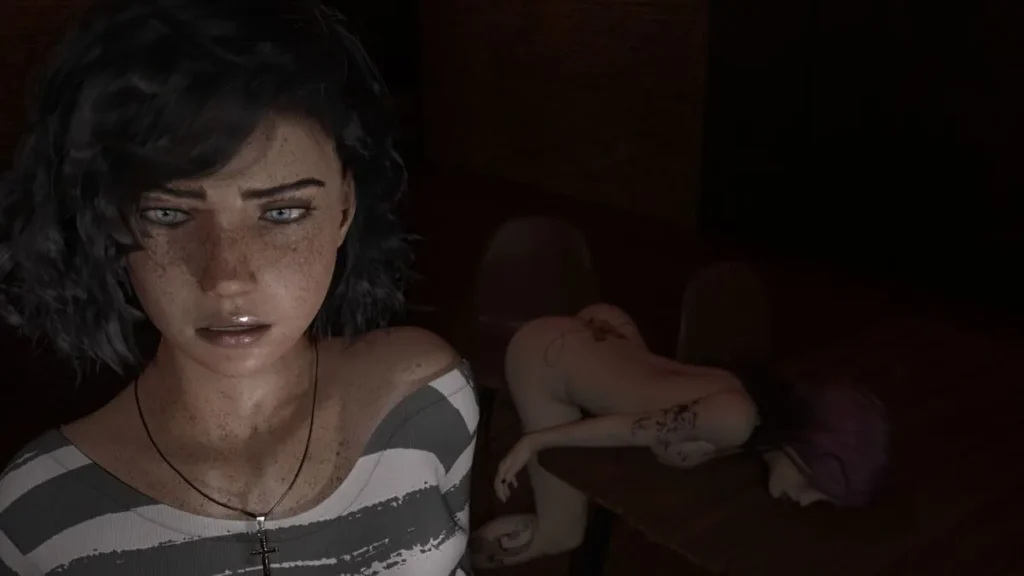


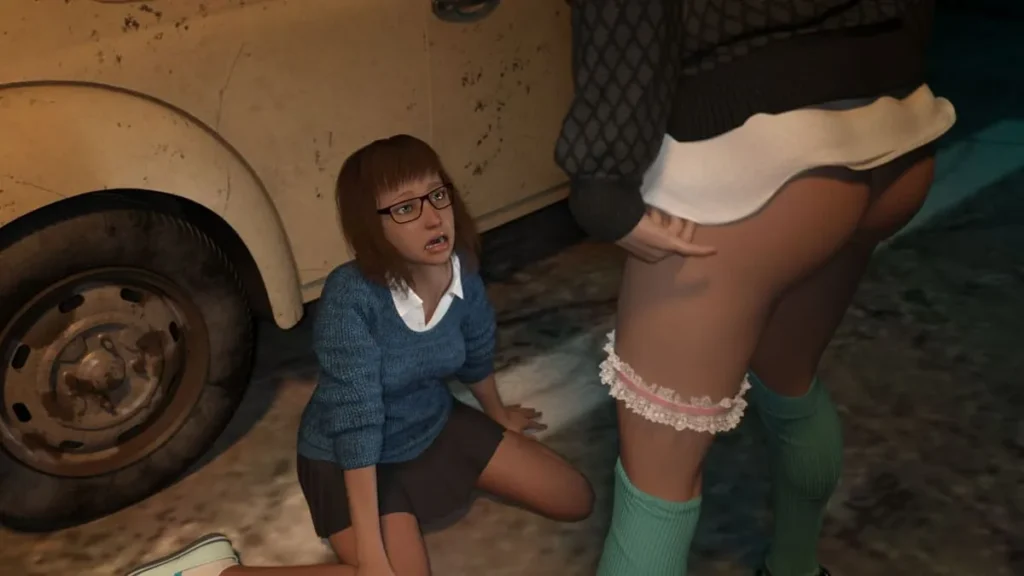
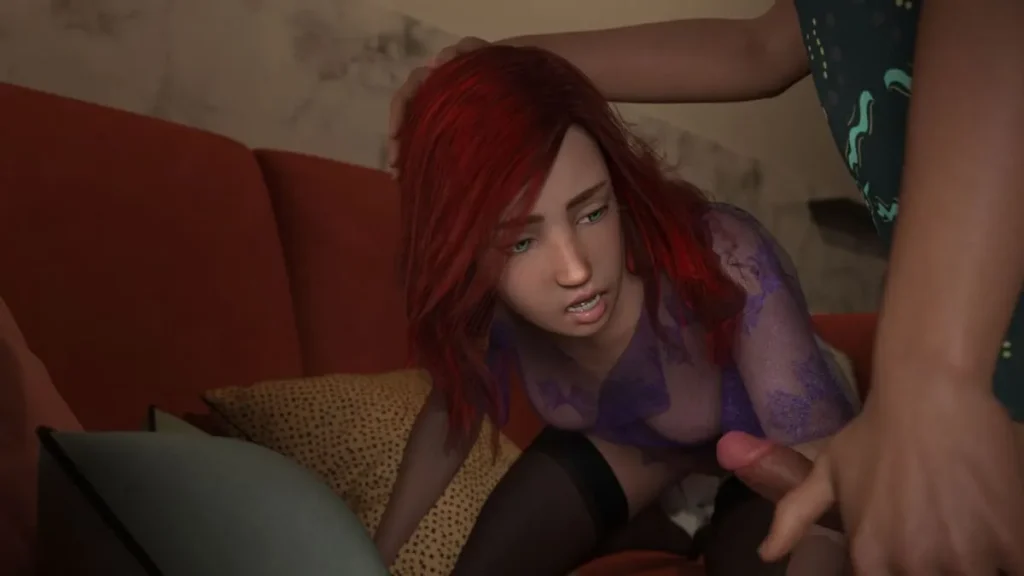
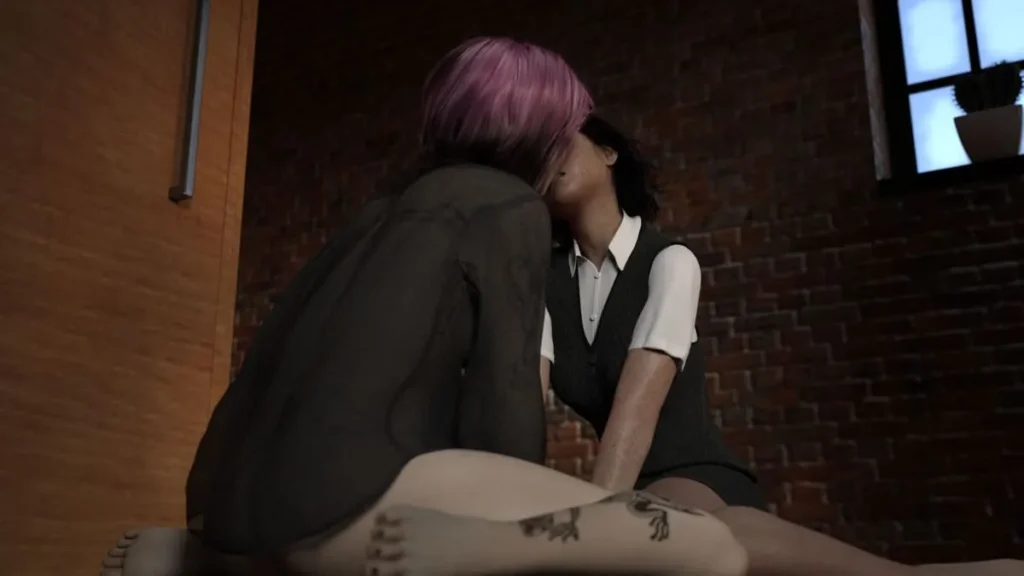
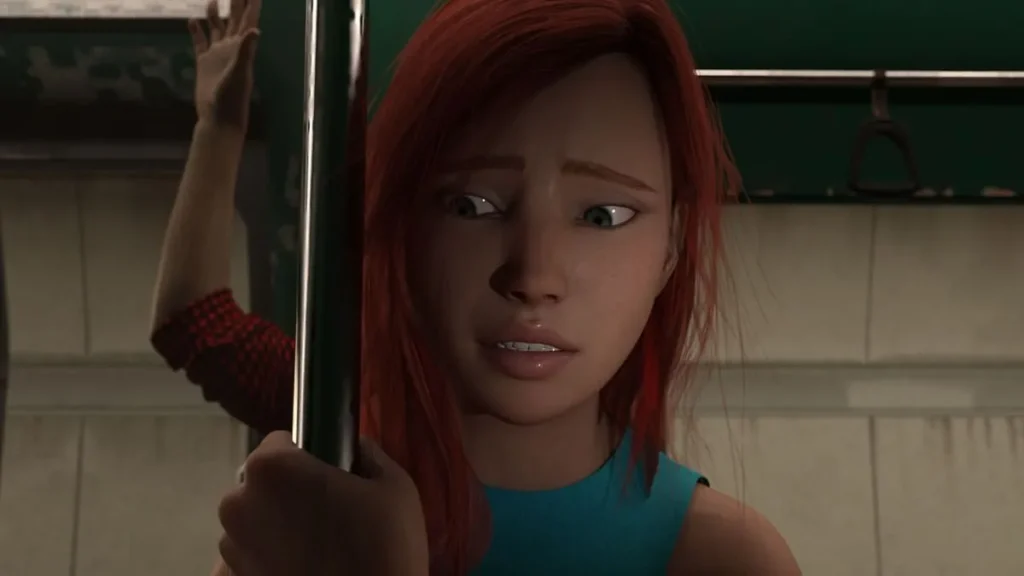
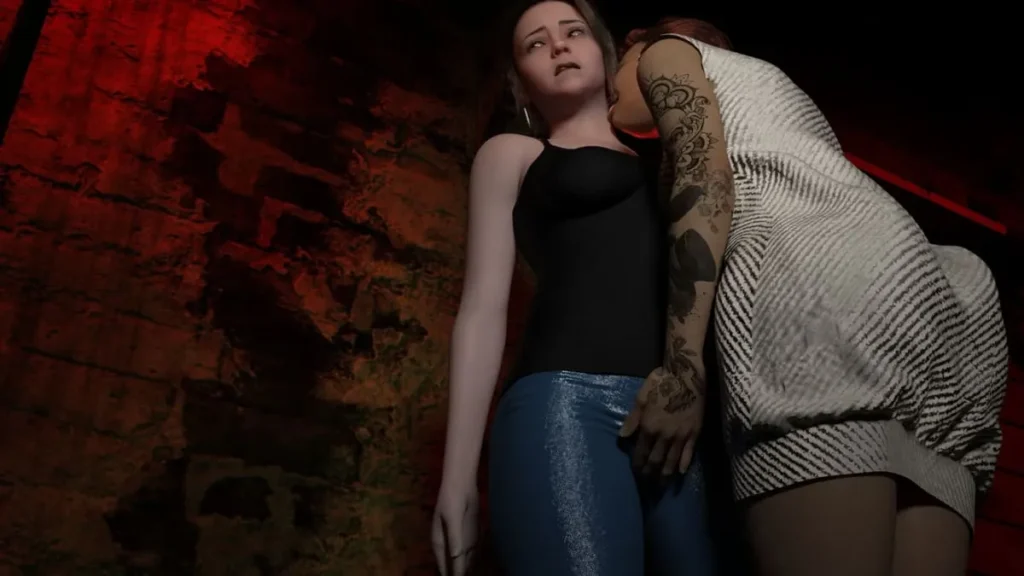
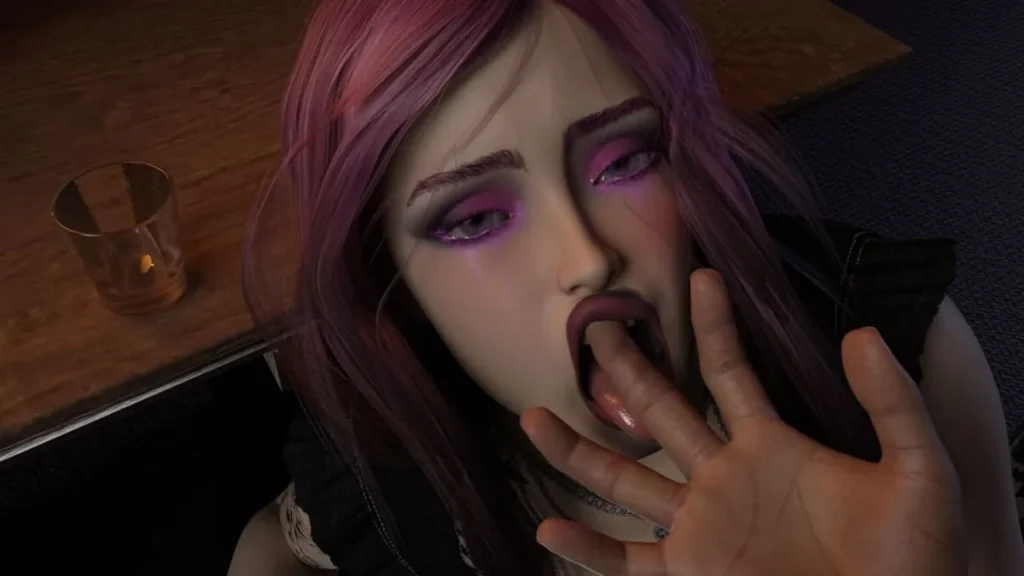
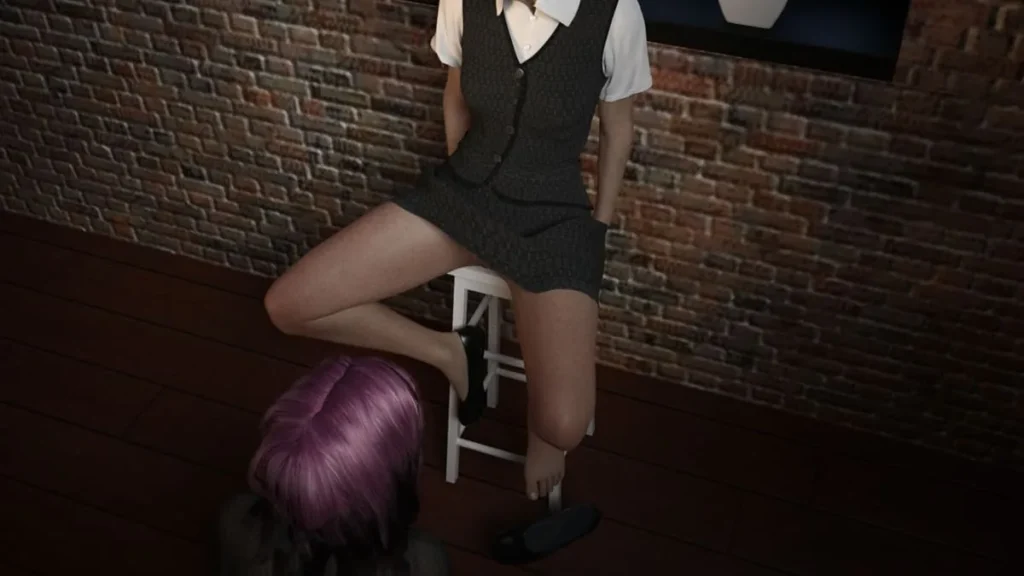
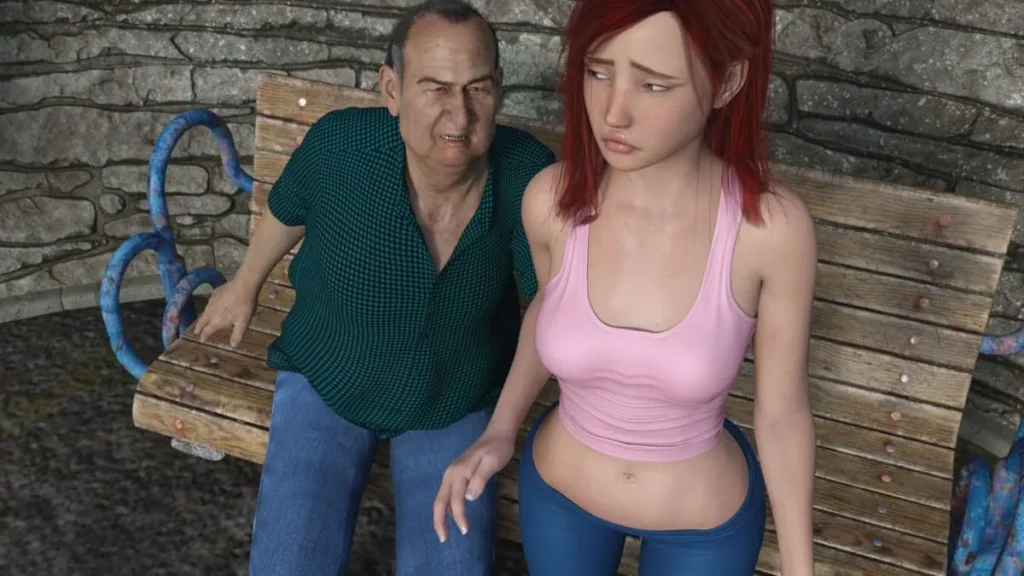
The Theater of Sinners review
Explore the dark narrative, complex characters, and decision-driven gameplay of this adult visual novel
The Theater of Sinners stands out as a unique psychological fantasy experience that blends dark storytelling with interactive decision-making. Developed by JustXThings and currently in version 0.3 Alpha 1, this Ren’Py visual novel immerses players in a morally ambiguous world where choices carry real consequences. Rather than offering clear-cut good or evil paths, the game presents human decisions with surprising and impactful outcomes. Whether you’re drawn to character-driven narratives, complex moral dilemmas, or atmospheric storytelling, understanding what this game offers can help you decide if it’s the right experience for you. This guide explores the game’s core mechanics, storyline, character development, and what makes it a compelling interactive experience.
Understanding The Theater of Sinners: Core Gameplay and Story Foundation
Imagine you’re handed a script. The ink is still wet, the pages heavy with potential. But as you read, you realize the lines aren’t fixed; they shift and blur with every thought you have. The characters don’t just speak—they watch you, waiting to see what you’ll make them do next. This isn’t passive entertainment. This is The Theater of Sinners gameplay, an experience that pulls you backstage and into the spotlight, all at once. 🎭
Built on the versatile Ren’Py psychological fantasy game engine, this title is so much more than a sequence of pretty pictures and text. It’s a labyrinthine character study where you are the architect. Forget simple good versus evil choices; here, every decision is a delicate surgery on the narrative’s soul, with scars that shape the entire tale. Let’s pull back the velvet curtain and explore what makes this dark fantasy so uniquely compelling.
What Makes This Visual Novel Different From Other Games
Most games give you a role to play: the hero, the warrior, the savior. The Theater of Sinners gives you a job title: Playwright. Director. And, uncomfortably often, Unwilling Actor. 😨 This shift in perspective is everything. Instead of guiding a single avatar to a predefined destiny, you are orchestrating the intersecting fates of four deeply flawed protagonists. Their stories aren’t told one after another; they are interleaved, woven together in a tapestry where a choice in one character’s chapter can whisper an echo into another’s, sometimes chapters later.
I remember my first playthrough, thinking I was being cleverly merciful in one story. Hours later, that same “mercy” reappeared as a devastating psychological trigger for a completely different character. The game had remembered, and the narrative learned from me. That’s the core of its non-linear storytelling in games. It uses frequent, haunting flashbacks not just as exposition, but as emotional landmines, triggered by your present actions. The past is never dead here; it’s a live wire you’re constantly tripping over.
The developer created this as a free passion project, a story they needed to tell, similar to writing a novel or composing a symphony. This artistic intent is palpable. The horror doesn’t jump out from closets; it seeps in. It’s built through unsettling, painterly imagery and a sound design that feels like a chill down your spine—a perfect example of psychological horror that prioritizes dread over shock. This commitment to atmosphere over cheap thrills firmly establishes The Theater of Sinners as a character-driven narrative game of the highest order, where the true monsters and miracles are found in the human (and not-so-human) psyche.
The Decision-Based Mechanics and Consequence System
Now, let’s talk about the engine of this experience: its brilliant decision-based visual novel mechanics. If you’re used to choice systems with clear “Paragon” or “Renegade” labels, prepare to be delightfully disoriented. This game operates in shades of moral grey, where the “best” choice is often a matter of painful perspective.
The consequence system in interactive fiction here is ruthlessly permanent. There’s no quick-loading to try a different path without starting a new playthrough. When you make a choice, the game internalizes it. These decisions can do several subtle, powerful things:
* Branch Storylines: They can steer a scene toward noticeably harsher or more lenient outcomes.
* Alter Stats: They can raise hidden character attributes like “Guilt,” “Defiance,” or “Empathy,” which in turn unlock or lock future dialogue and events.
* Influence Availability: Earlier choices can make entire scenes accessible or forever out of reach in later chapters.
Some choices are obvious forks in the road. Others are so subtle you might not recognize their impact until much later—a withheld piece of information, a moment of kindness versus coldness, even your choice of what to observe in a room. This makes every click feel weighted with meaning.
Personal Insight: In one pivotal scene, I had to choose which of two traumatized characters to comfort. It seemed like a classic “who do you save?” moment. The game, however, wasn’t tracking a “right” answer. It was tracking which relationship I was choosing to deepen at the potential expense of the other. The consequence wasn’t immediate death, but a slow-burn erosion of trust that fractured the group dynamic three chapters later. It was devastating, and brilliantly executed.
To understand how this system elevates the experience, let’s break it down compared to more traditional models:
| Traditional Choice System | The Theater of Sinners’ Approach |
|---|---|
| Choices are often moral binaries (Good/Evil, Kind/Cruel). | Choices are psychological nuances (Confront/Evade, Confess/Conceal, Trust/Suspect). |
| Consequences are usually immediate and clear. | Consequences are delayed, subtle, and ripple across multiple storylines. |
| The goal is often to “win” a character’s favor or reach a “best” ending. | The goal is to survive the psychological journey and see a version of the story through, with “better” being subjective. |
| Stats are openly displayed and managed. | Stats are hidden, felt through the narrative’s reaction to you rather than seen on a screen. |
This design creates an unparalleled sense of authorship. You’re not just selecting options; you are defining the very nature of these characters through crisis. Here are the key gameplay features that define this unique experience:
- The Four-Pronged Narrative: You don’t play as the story; you play with the story, juggling four perspectives to see the whole tragic picture.
- Non-Sequential Freedom: Available events can be played in any order you unlock them, allowing you to piece together the plot like a detective solving a trauma-induced puzzle. 🧩
- The Illusion of Subtlety: The game masterfully makes small choices feel insignificant before revealing their profound importance, mirroring how real-life regrets often work.
- Psychological Stat Building: Your dialogue and actions silently build internal character metrics that shape their future reactions and resilience.
Navigating the Grand Théâtre des Ombres Setting
All of this psychological drama needs a stage, and the game delivers one of the most evocative settings in interactive fiction: the Grand Théâtre des Ombres (The Grand Theater of Shadows). This isn’t just a backdrop; it’s a central character, a metaphor made manifest. 🏛️
This clandestine arena is where the wealthy, powerful, and utterly corrupt come to settle their most vicious scores. But they don’t use lawyers or assassins—they use performances. Here, real human trauma, sin, and desire are dramatized by a mysterious troupe of actors, with the “truth” of a conflict being judged by the audience. Your protagonists are inexorably drawn into this world, either as pawns, performers, or playwrights for these cruel plays.
The genius of The Theater of Sinners story structure is how it uses this setting. The theater operates on surreal, almost supernatural rules, blending dark fantasy elements with raw human psychology. A character’s deepest guilt might literally manifest as a monstrous stage prop. A repressed memory could become a soliloquy delivered by a phantom double. This allows the game to explore psychological states in a visual and interactive way that pure realism never could.
Navigating this space means understanding its layers:
| Layer of the Theater | What It Represents | Gameplay Impact |
|---|---|---|
| The Stage | The curated “reality” where performances happen. Truth is manipulated for narrative effect. | This is where key decision moments often occur, under the gaze of the audience. |
| Backstage | The messy, unseen truth. The raw emotions and private moments between characters. | Here, you make subtler choices that define relationships and personal motivations. |
| The Audience | Voyeuristic, corrupt society. The pressure of judgment and expectation. | Their (unseen) reactions sometimes frame scenes, adding pressure to your choices. |
| The Script | The predetermined fate vs. free will. The stories the characters are trapped within. | Your choices are literally revisions to this “script,” challenging destined paths. |
Playing the game is a process of learning these rules—both the overt rules of the theater and the hidden rules of its consequence system. You start as a confused spectator thrust into the spotlight, but as you progress, you begin to see how the machinery works. You learn how to manipulate scenes, protect your favored characters (or sacrifice them), and steer the grand narrative toward an ending that bears your unique signature.
Ultimately, The Theater of Sinners is an unforgettable exploration of the stories we tell about ourselves and the costs of altering them. Its decision-based visual novel mechanics and fearless non-linear storytelling create a psychological fantasy game that stays with you long after the final curtain falls. It proves that the most powerful interactive experiences aren’t about saving the world, but about understanding the intricate, shadowed worlds within people—and facing the reflection of your own choices within them.
The Theater of Sinners offers a distinctive interactive experience that prioritizes psychological depth and meaningful consequences over traditional gameplay mechanics. By combining a non-linear narrative structure with complex character development, the game creates an environment where your choices genuinely matter and shape the stories of four interconnected protagonists. The blend of atmospheric horror, moral ambiguity, and character-driven storytelling makes it compelling for players seeking narratives that challenge their judgments and explore the gray areas of human nature. Whether you’re drawn to decision-based games, psychological themes, or unconventional storytelling, The Theater of Sinners delivers a thought-provoking experience that lingers long after you’ve finished playing. If you’re interested in exploring a game that treats its narrative with the same care as a novel or artwork, this title deserves your attention.