The Fate of Irnia
Play The Fate of Irnia
The Fate of Irnia Screenshots
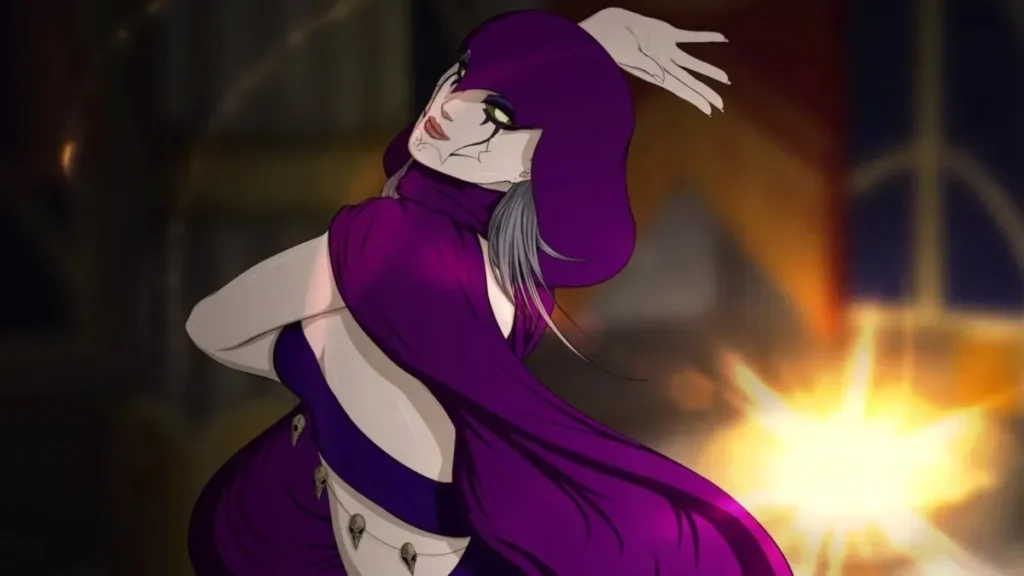
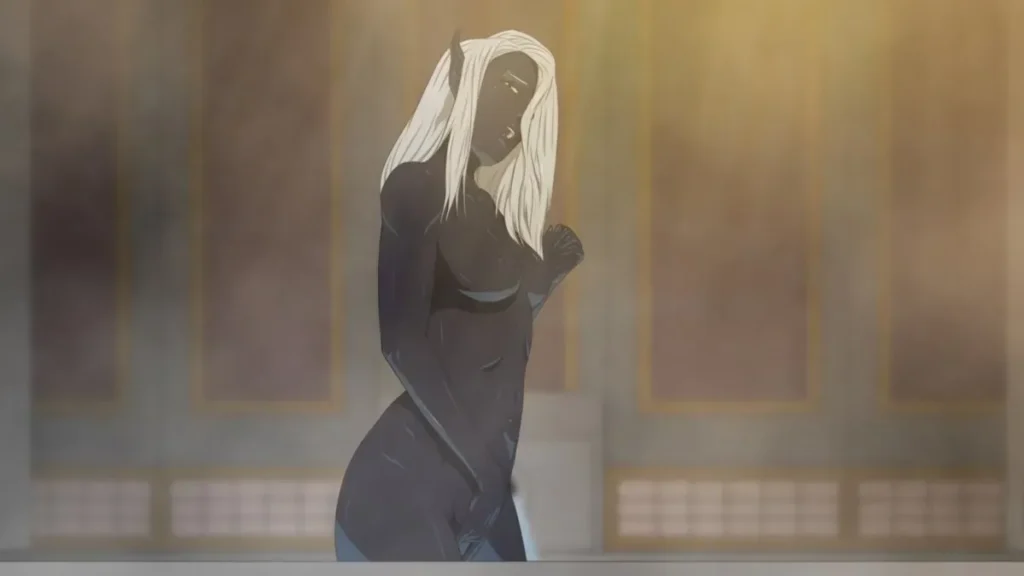
The Fate of Irnia review
Explore storylines, romance routes, and gameplay mechanics in this fantasy visual novel
The Fate of Irnia stands out as an engaging fantasy visual novel that combines adventure, romance, and meaningful player choices. Set in a richly detailed world threatened by cyclical orc invasions, this game puts you in the role of a 17-year-old protagonist inheriting a mysterious box on their coming-of-age day. With multiple romance routes, branching storylines, and consequences that shape your journey, The Fate of Irnia offers substantial replay value for players who enjoy decision-driven narratives. Whether you’re drawn to fantasy worldbuilding, character-driven stories, or interactive storytelling, this guide covers everything you need to know about the game’s mechanics, plot, and features.
Story Overview and World Setting
Welcome, traveler. ✨ Before you dive into the romantic encounters and tense strategic choices of this incredible visual novel, you need to understand the stage upon which your drama will unfold. The foundation of The Fate of Irnia story is a rich tapestry of personal grief, looming war, and magical mystery. Let’s pull up a chair in a cozy tavern and talk about the world you’re about to step into and the journey that awaits.
The World of Irnia: A Fantasy Realm Under Threat
Picture this: rolling green hills dotted with quaint human villages, ancient forests where elegant elves guard timeless secrets, and majestic mountain halls echoing with the hammer strikes of dwarven crafters. 🏞️✨ This is the Irnia fantasy world at peace—a land of breathtaking beauty and diverse cultures. From bustling market towns where gossip flows as freely as ale to silent, moss-covered dungeons hiding forgotten relics, every location feels alive with history.
But this peace is fragile, a delicate balance threatened by a relentless clock. Every twelve years, like a cursed season, the orc hordes from the neighboring realm of Arworos surge across the border. Irnia has always survived these orc invasions gameplay cycles, but never triumphed. The kingdom braces, fights, and endures, but the root threat is never eradicated. This cyclical conflict is the heartbeat of the realm’s recent history, a generational trauma that shapes every character you’ll meet.
This setting isn’t just a pretty backdrop; it’s the engine of the fantasy adventure narrative. The fear of the next invasion colors politics, strains alliances between the races, and forces ordinary people to make hard choices. You’ll explore environments that reflect this tension—the idyllic countryside hiding militia training grounds, the grand castle halls where war strategies are debated, and the dark, foreboding paths that may lead to the enemy’s doorstep.
To help you visualize the key pieces on this grand chessboard, here’s a breakdown:
| Location | Inhabitants & Atmosphere | Role in the Story |
|---|---|---|
| Countryside & Villages | Primarily humans; peaceful, pastoral, but with an undercurrent of anxiety as the invasion cycle nears. | The protagonist’s home; represents what must be protected. Source of rumors and local quests. |
| Bustling Towns & Capital | Mix of all races (Humans, Elves, Dwarves); centers of trade, politics, and military planning. | Where major alliances are formed. Hub for gathering information, supplies, and party members. |
| Ancient Forests | Elven enclaves; mystical, serene, and secretive. Deep connection to ancient magic. | Key to understanding the world’s older lore and potentially uncovering magical solutions to the orc threat. |
| Mountain Halls & Dungeons | Dwarven strongholds; fortified, ingenious, and filled with archaeological and mineral wealth. | Sources of powerful equipment and lost knowledge. Often sites for crucial quests to secure allies or artifacts. |
| The Royal Castle | Heart of human monarchy; opulent yet tense, filled with nobles, generals, and diplomats. | Central stage for political maneuvering. Your father’s legacy is most keenly felt here. |
Your Character’s Background and Starting Point
Now, let’s talk about you. 🧍✨ You are not a prophesied chosen one plucked from obscurity. Your story begins with loss. You play a 17-year-old who has just lost their father, a celebrated war hero who famously helped repel the last orc invasion. His death wasn’t on the battlefield, but from a sudden illness—a quiet end that somehow feels more tragic for a man of his stature.
This personal tragedy is your narrative entry point. You live with your grieving mother and younger sister, trying to hold your family together while the shadow of your father’s legend looms large. Everyone in town looks at you with a mix of pity and expectation. This personal, grounded starting point is what makes The Fate of Irnia so compelling. You’re not dreaming of adventure; you’re navigating grief, responsibility, and the daunting task of figuring out who you are outside of your father’s name.
This is where the father’s legacy quest truly begins, not with a bang, but with a whisper. Before he died, he left you a final, puzzling heirloom: a locked, mysterious box. He decreed it could only be opened on the day you reach maturity—a date that is fast approaching. This box is the first major hook of the visual novel plot, a tangible piece of your father’s secret life that promises to pull you from your quiet mourning into a much larger story. What could be so important that he hid it away until now? The answer will set everything in motion.
The Mysterious Box and Its Secrets
So, what’s in the box? I won’t spoil the profound revelations it unlocks, but I can tell you about the first and most immediate treasure it holds: a beautiful, pulsating Orb. 🌐 This isn’t just a pretty trinket; it’s an artifact of immense and subtle power that becomes central to your journey and the core orc invasions gameplay mechanics.
This Orb grants you a unique ability: to gently influence the thoughts and feelings of those around you. In gameplay terms, this is often your key to unlocking new dialogue options, persuading reluctant allies, or calming hostile situations. It adds a fascinating layer of strategy to the classic visual novel format. Will you use this power to ease someone’s pain, to extract crucial information to protect Irnia, or to subtly guide a potential romance? The choice, as always, is yours, and each use can have unintended consequences.
The box and the Orb are intrinsically linked to the greater mysteries of the Irnia fantasy world. Why did your father, a great warrior, possess such a delicate magical object? Was it a war trophy, a sacred trust, or something else entirely? Unraveling this mystery will have you piecing together his hidden travels, his unknown alliances, and his private fears about the true nature of the orc threat. The mysterious box storyline is the thread that connects your intimate family drama to the epic, realm-saving conflict.
💡 Player Tip: Treat the Orb’s power with care! I learned the hard way that using it too liberally can make characters suspicious or dependent on your influence, locking you out of their genuine, trust-based story routes. Sometimes, the most powerful choice is not to use magic at all.
This beautiful blend—a personal quest born from grief, a magical secret, and a world on the brink of war—is what defines The Fate of Irnia story. You’re not just fighting orcs; you’re fulfilling a father’s last wish, protecting your family’s future, and discovering truths that could change Irnia forever. Every conversation, every explored location, and every strategic decision in the orc invasions gameplay feeds back into this rich, fantasy adventure narrative. Your journey from a grieving child to a leader who shapes the fate of a kingdom is about to begin. What will you find when you finally open the box? 🗝️🔥
The Fate of Irnia delivers a compelling fantasy visual novel experience that successfully blends adventure, romance, and meaningful storytelling. With its richly detailed world, complex characters, and decision-driven narrative, the game offers substantial engagement for players who value choice and consequence in their interactive stories. The multiple romance routes and branching paths ensure that each playthrough feels unique and personal, while the emotional depth of the narrative—exploring themes of legacy, loss, and personal growth—elevates it beyond simple entertainment. While the artwork could use some refinement in certain areas and pacing may feel slow in parts, the overall quality of writing and character development makes these minor concerns secondary to the game’s strengths. Whether you’re drawn to fantasy worldbuilding, character-driven narratives, or interactive storytelling that respects player agency, The Fate of Irnia provides a satisfying experience worth exploring. For those seeking a visual novel with genuine replay value and meaningful choices that shape your destiny, this game stands as a solid entry in the genre.