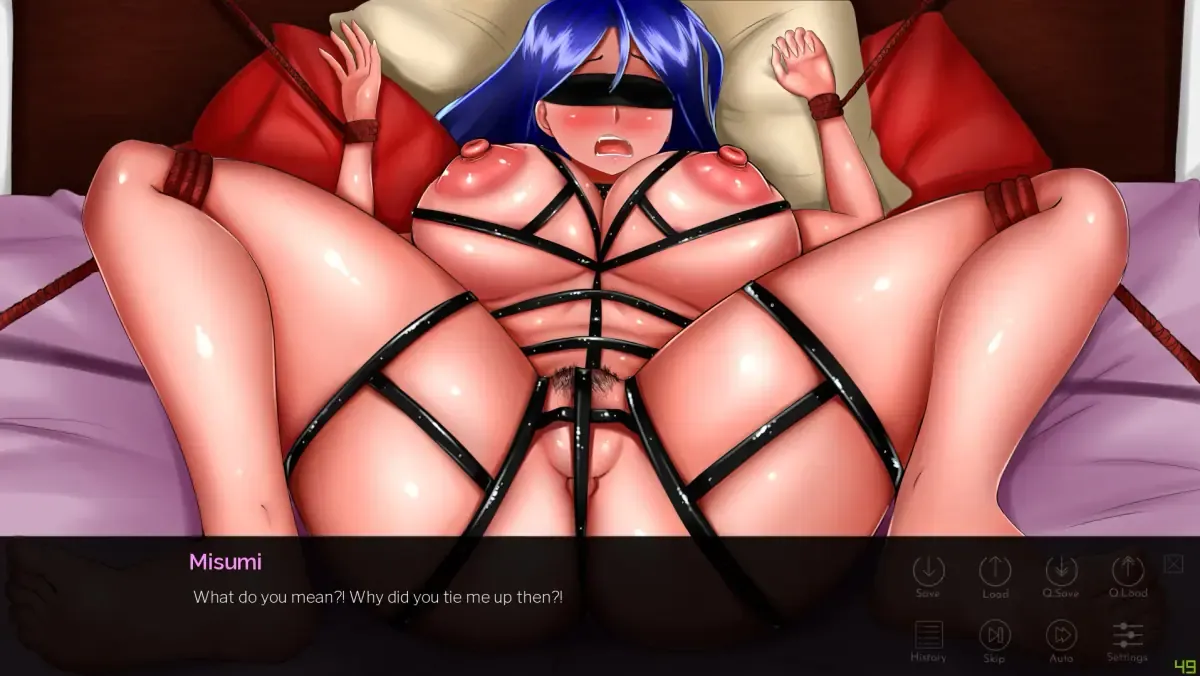
Netorare Wife Misumi – Lustful Awakening
Play Netorare Wife Misumi – Lustful Awakening
Netorare Wife Misumi – Lustful Awakening Screenshots


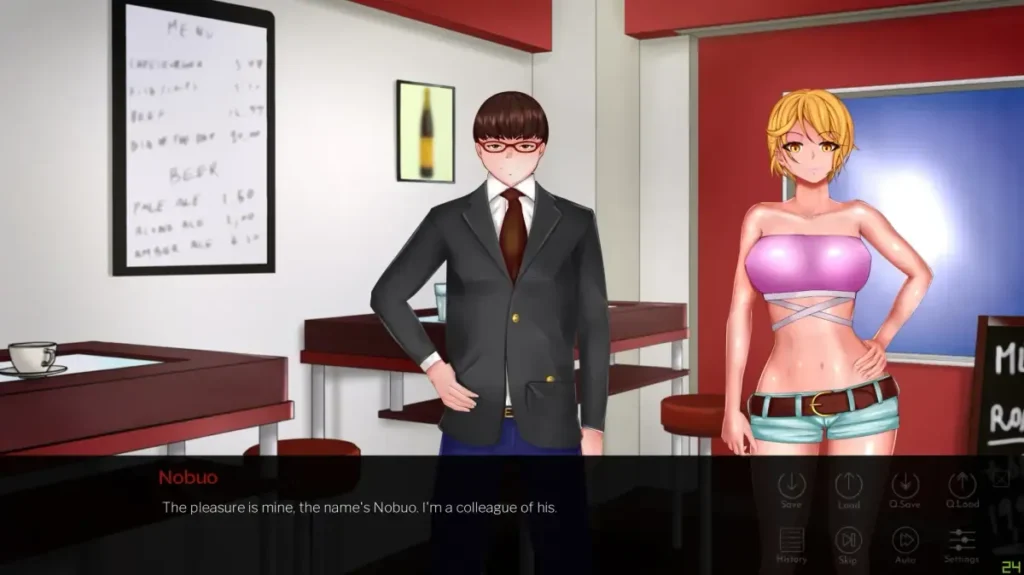


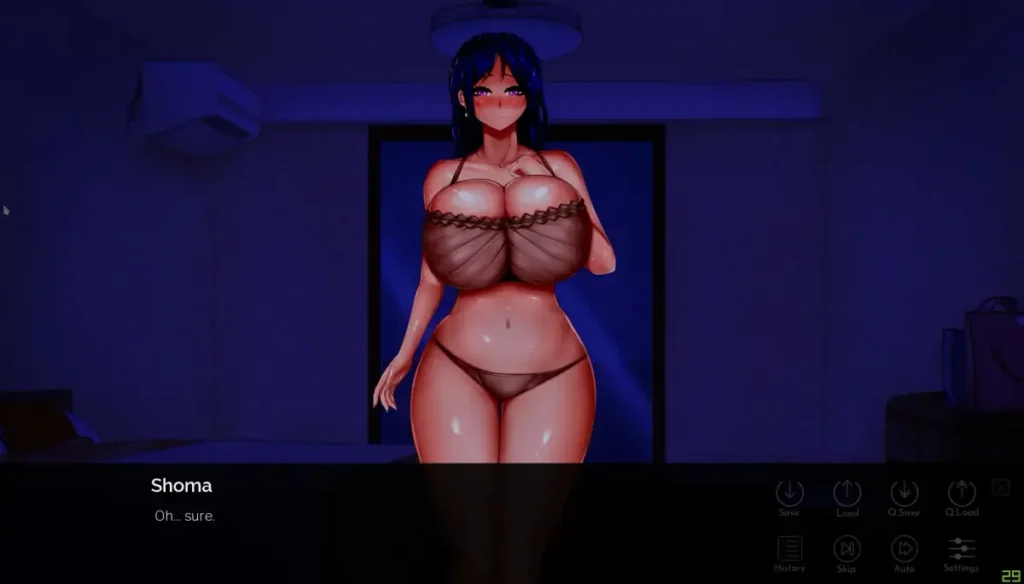
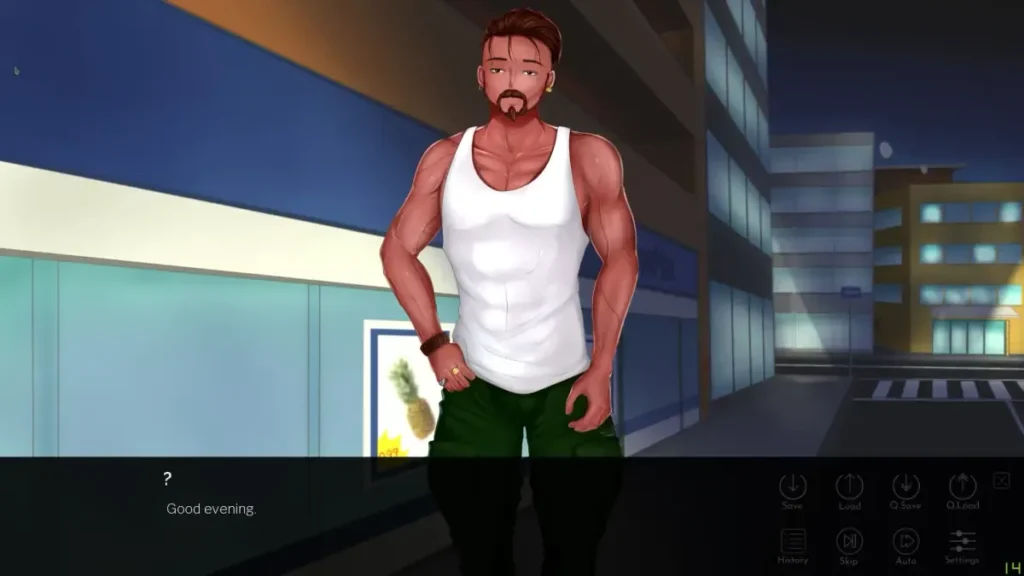
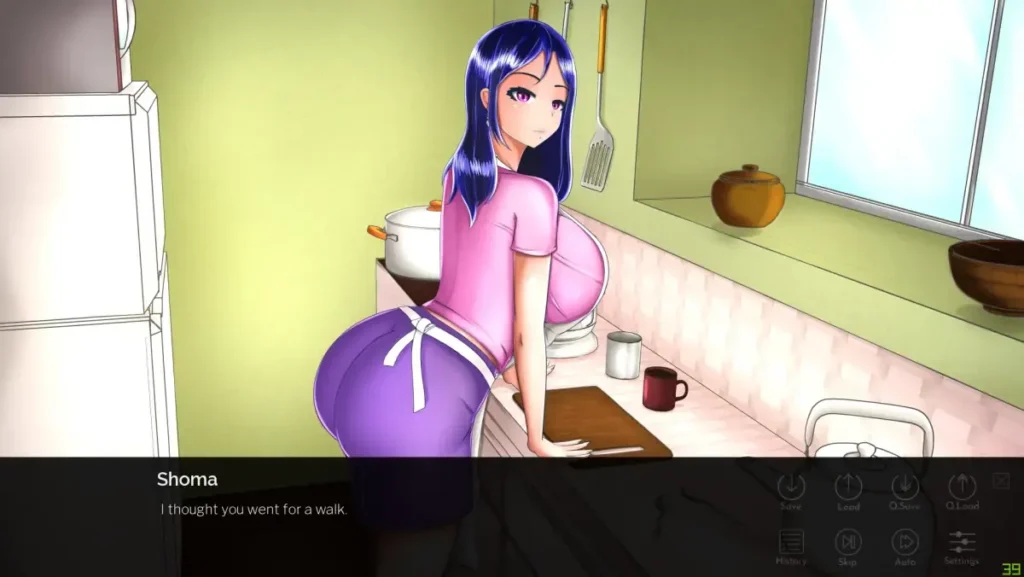
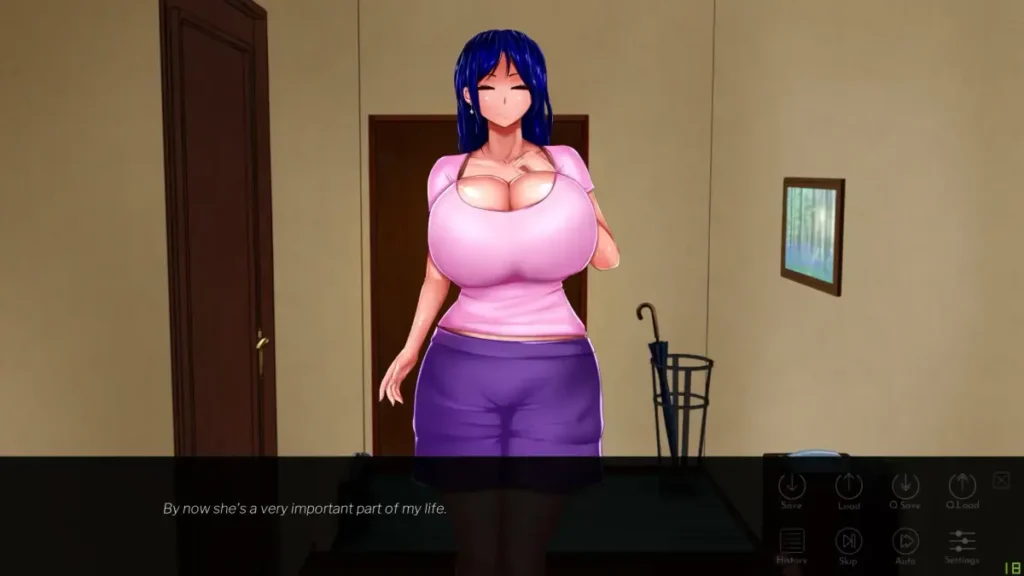
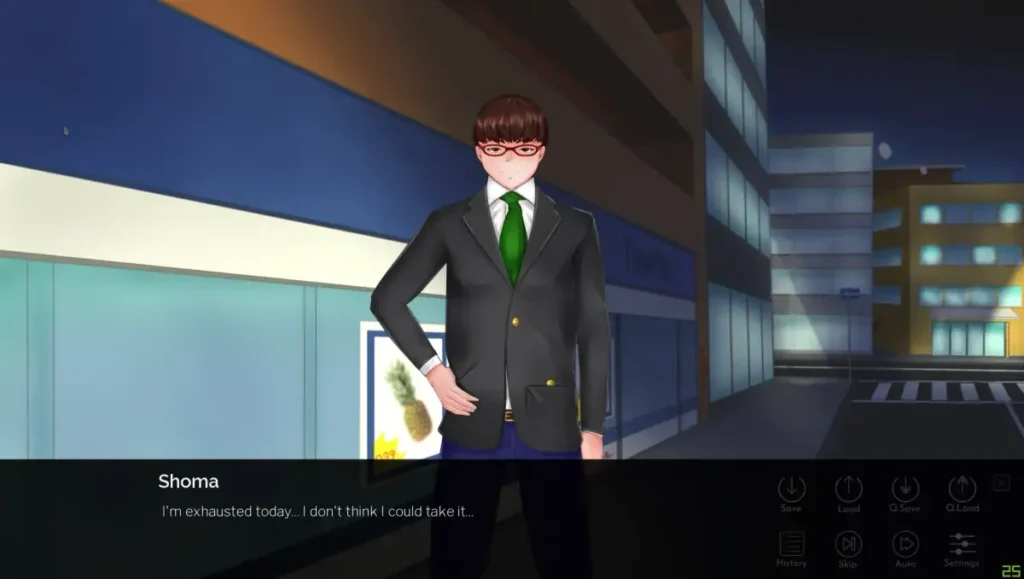

Netorare Wife Misumi – Lustful Awakening review
In-depth guide, walkthrough, and player tips for the visual novel
Netorare Wife Misumi – Lustful Awakening is an adult visual novel that follows newlyweds Misumi and Shoma as their quiet life is disrupted by new neighbors and difficult choices, leading to multiple branching endings and intense character drama. This article dives into the game’s narrative, characters, mechanics, and practical tips to explore its routes and endings. I’ll share hands-on observations from playthroughs, describe how choices affect outcomes, and offer actionable strategies to maximize replay value and discover hidden scenes.
Story & Characters: Who are Misumi and Shoma?
Alright, let’s pull up a chair and dive into the heart of Netorare Wife Misumi – Lustful Awakening. 🛋️ If you’re here, you’re past the title screen and ready to understand the tangled web of relationships this visual novel spins. This chapter is all about the people who make this story so gripping and the emotional landscape they navigate. We’ll unpack the Netorare Wife Misumi story, get to know everyone in the apartment complex, and see how the game masterfully builds tension from quiet, domestic moments. Trust me, by the end, you’ll know exactly which scenes to watch like a hawk. 👀
Overview of the main plot and themes
At its core, the Netorare Wife Misumi story is a slow-burn exploration of desire, insecurity, and the fragile nature of trust. 🕯️ You step into the shoes of Shoma, a hardworking salaryman who has just moved into a new apartment with his loving wife, Misumi. The early days are a cozy, almost idyllic slice-of-life—making breakfast together, planning for the future, and enjoying the simple happiness of newlywed life. The game brilliantly uses these domestic routines to make you invest in their world. You feel the comfort, which makes everything that follows hit so much harder.
The catalyst? The arrival of a new neighbor, Isao. This isn’t just a friendly “welcome to the building” situation. His presence introduces a subtle, then increasingly palpable, tension that begins to warp the fabric of Misumi and Shoma’s relationship. The visual novel themes here are potent: loyalty versus awakening desire, the transformation of identity within a marriage, and unsettling power dynamics. The tone shifts deliberately from warm and cozy to psychologically tense, often using multiple points of view to show you the growing disconnect between husband and wife. One personal anecdote: I remember the first time the game felt truly unsettling for me. It wasn’t a dramatic scene; it was Misumi casually mentioning how “helpful” Isao had been with a heavy grocery bag. The way her dialogue box lingered, and Shoma’s internal monologue just shrugged it off… chills. 🥶 That’s the game’s genius—it finds unease in the utterly ordinary.
Character profiles: Misumi, Shoma, Chiyo, and Isao
Let’s meet the key players. Understanding this quartet is essential to navigating the story’s emotional minefield.
Misumi: The Wife at the Center
The Misumi character profile is a fascinating study in gradual change. 💖 At the start, she is the epitome of a dedicated, somewhat traditional wife—affectionate, supportive of Shoma, and focused on building their home. Her motivation seems pure: to be a good partner. However, beneath that calm surface lies a woman curious about her own desires and perhaps feeling the routine of early marriage more than she lets on. Her character arc is the cornerstone of the entire Netorare Wife Misumi story. An observation from my playthrough: pay close attention to her wardrobe choices and small gestures as the story progresses. A slightly different style of clothing or a new habit of lingering by the window can speak volumes about her internal shift long before any major plot points occur.
Shoma: The Husband in the Dark
Understanding the Shoma husband role is key to feeling the story’s tension. 👨💼 Shoma is a good man, but perhaps a bit naïve and overwhelmingly focused on his work. His primary motivation is to provide for and protect his happy life with Misumi. This very dedication, however, becomes his blind spot. His trust is absolute, which makes him slow to perceive the threats creeping into his marriage. Playing from his perspective, you’ll often scream at the screen as he misses obvious clues. This isn’t poor writing; it’s a deliberate part of his character. His emotional arc is a painful journey from secure ignorance to devastating awareness, and his choices (or lack thereof) directly fuel the narrative’s branches.
Chiyo: The Cousin and Confidante
The Chiyo cousin character serves as a crucial, and often refreshing, narrative device. 👯♀️ As Misumi’s cousin, she is both a friend and a occasional visitor to the apartment. Chiyo is more outgoing and observant than the main couple, often voicing concerns or making jokes that cut a little too close to the truth. She can act as a mirror, reflecting the changes in Misumi that Shoma fails to see. In one of my playthroughs, a casual lunch with Chiyo revealed a throwaway comment about Misumi “seeming more lively lately,” which was the first major red flag I, as the player, consciously registered. She’s your potential early-warning system if you listen closely.
Isao: The Neighbor and Antagonist
No discussion is complete without the Isao neighbor antagonist. 🐺 Isao is the catalyst for the story’s conflict. He’s charming, confident, and possesses an unsettling, predatory patience. His motivation is pure, selfish conquest—he sees Misumi as a challenge and a prize. What makes him a compelling villain is his methodology; he’s not a cartoonish villain, but a manipulator who exploits social norms, kindness, and the couple’s own routines to insert himself into their lives. He weaponizes “being a good neighbor.” Watching his calculated steps—offering help, giving compliments that border on inappropriate, creating situations of accidental intimacy—is like watching a spider slowly spin a web.
To keep these dynamics clear, here’s a quick reference table:
| Character | Role | Key Traits & Motivations |
|---|---|---|
| Misumi | The Wife / Protagonist | Initially devoted, curious, seeking validation; motivated by love but also a latent desire for new excitement. |
| Shoma | The Husband / Point-of-View | Hardworking, trusting, sometimes oblivious; motivated by preserving his marriage and peaceful life. |
| Chiyo | The Cousin / Observer | Observant, forthright, caring; motivated by family loyalty and concern for Misumi’s well-being. |
| Isao | The Neighbor / Antagonist | Charming, patient, manipulative; motivated by the thrill of the chase and corrupting innocence. |
Emotional arcs and narrative hooks
This story doesn’t rely on shock value alone; it earns its emotional weight through carefully constructed narrative hooks and believable character journeys. 📈
Misumi’s Transformation: Her arc is the engine of the Netorare Wife Misumi story. It’s a journey from contentment to confusion, then to awakened passion, and ultimately to a crossroads that defines her. The game asks: Can a person change fundamentally while in a committed relationship? Is her journey one of liberation or corruption? The answers depend heavily on your choices and the route you pursue.
Shoma’s Dissonance: The Shoma husband role provides a masterclass in dramatic irony. We, the players, often see more than he does. His arc is a slow, often painful, erosion of certainty. The game makes you feel his growing anxiety, suspicion, and eventual heartbreak or rage. His pivotal moments often come when he’s alone, reflecting on a slight change in Misumi’s behavior, and those silent moments are some of the most powerful in the game.
Player Tip: The most subtle narrative cues are often found in the “ordinary” scenes. Watch closely during the evening routine sequences. Is Misumi quicker to finish dinner? Does she spend more time on her phone? Does her goodbye kiss in the morning feel routine or slightly absent? The game layers these tiny details to build a subconscious sense of unease. 🧩
The Power of Perspective: The game occasionally switches viewpoints, and these are goldmines for understanding the visual novel themes. Getting a short scene from Misumi’s perspective can reveal her private thoughts about Isao’s attention, or a scene from Isao’s view can expose his cold, strategic calculations. These shifts are not random; they’re placed to heighten tension and illustrate the growing gaps in understanding between the characters.
Branching Tension: Remember, the Netorare Wife Misumi story branches based on your choices, often rooted in Shoma’s actions (or inaction). Will you have Shoma confront Misumi about a strange text message early on? 🗣️ Or will you choose to trust her and focus on work, giving more space for other relationships to develop? These decisions don’t just change the ending; they change the entire emotional trajectory of the characters. The “cost” of each branch is measured in trust and intimacy.
The brilliance of Netorare Wife Misumi – Lustful Awakening lies in how it makes you care before it starts to unravel everything. By building a believable world of domestic bliss, it ensures that every crack in the foundation feels deeply personal. Whether you’re there to guide Misumi and Shoma toward a renewed bond or to witness a tragic transformation, understanding these emotional arcs is your first, and most important, step. Now that you know the players and the playing field, you’re ready to make the choices that will define their world. 🎭
Netorare Wife Misumi – Lustful Awakening is a branching adult visual novel with layered characters, consequential choices, and strong replay value. The game rewards methodical exploration: save often, map key decisions, and pay attention to subtle character cues to unlock specific outcomes. Whether you’re aiming for reconciliation, darker endings, or rare scenes, a systematic approach will reveal the narrative’s depth. Try one focused playthrough to learn how the decision mechanics feel, then experiment with targeted variations to uncover alternate routes — and share your findings with the community if you enjoy collaborative route-mapping.